


Medieval II: Total War – medieval warfare, diplomacy, and grand ambition
Medieval II: Total War is a historical strategy game where you lead a medieval power through war, diplomacy, religion, trade, and massive battlefields.
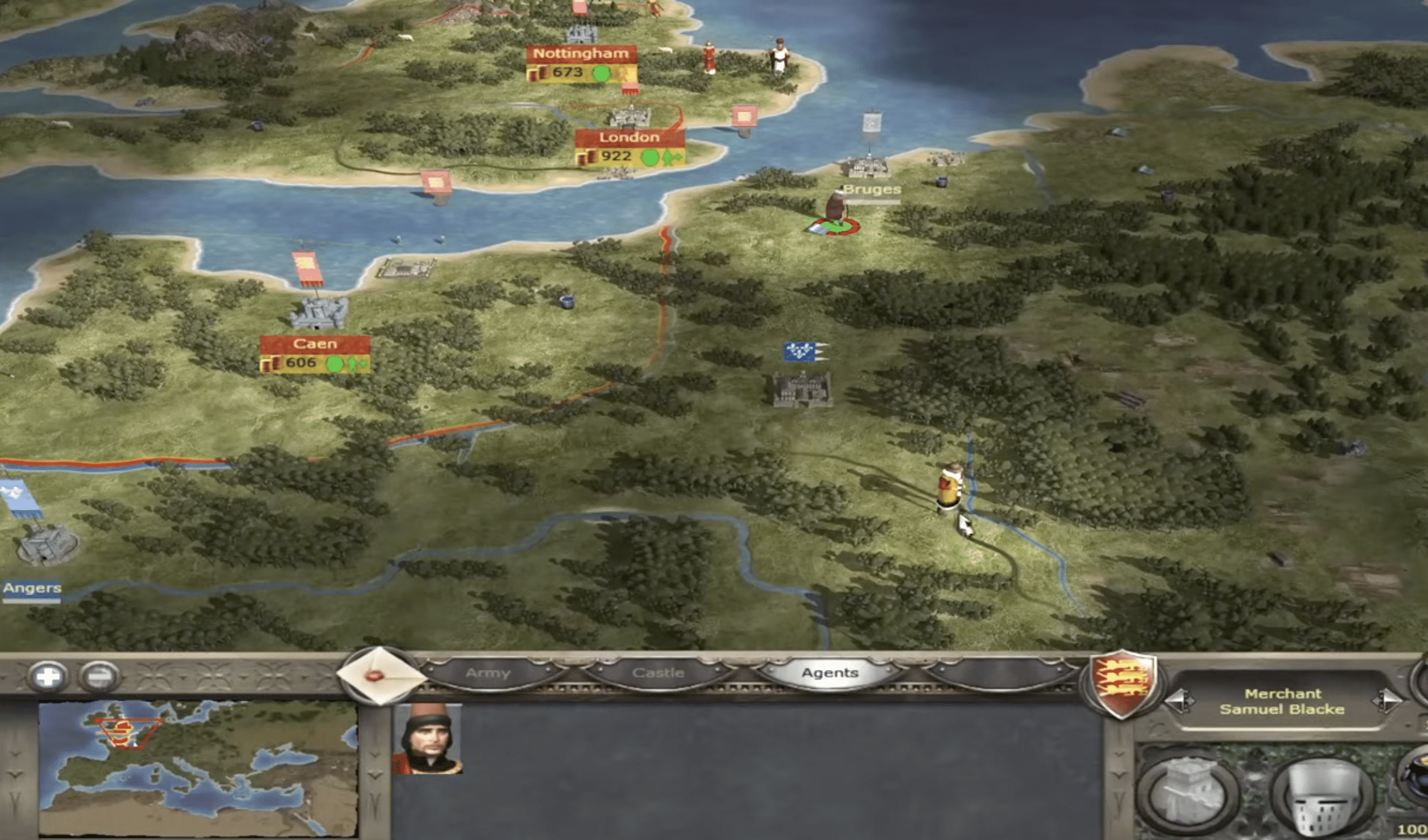
It’s one of those games that still feels impressive despite its age. During our tests on Windows 11, the combination of the vast campaign map and the huge real-time battles made it hard to put down. One moment you’re moving diplomats, priests, agents, and armies across the map of Europe—the next you’re in the middle of a brutal clash with thousands of soldiers, archers, knights, and siege engines.
Medieval II: Total War isn’t a fast, click-and-win strategy game. It demands patience, planning, and a willingness to accept that your best army can suddenly be crushed because you underestimated the terrain, enemy cavalry, or the Pope’s wrath.
Build your empire from the ground up

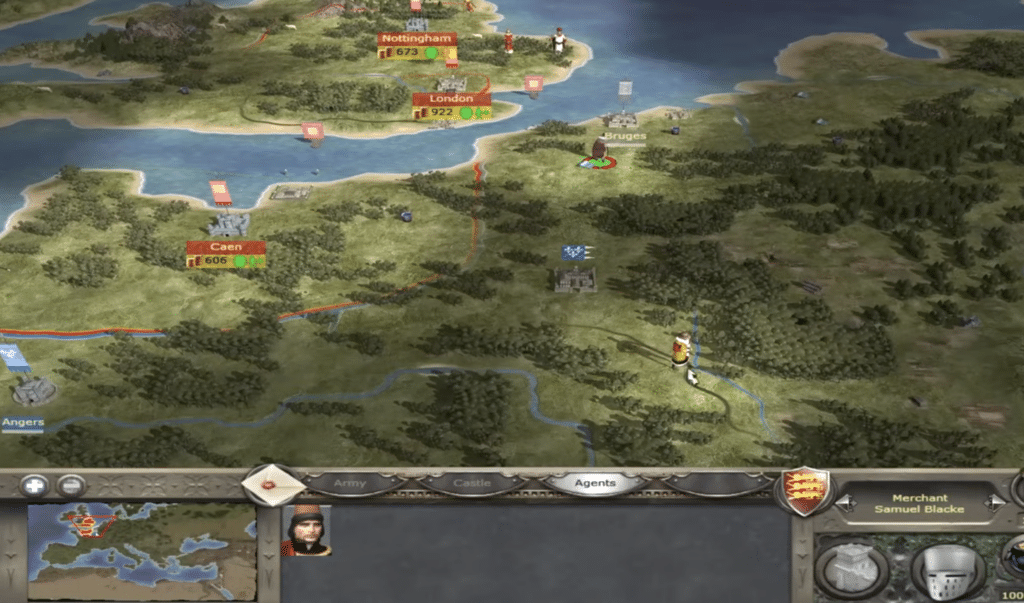
On the campaign map you manage cities, castles, your economy, agents, alliances, and armies. You can expand your settlements, levy taxes, recruit troops, and try to keep the population satisfied while enemies slowly gather around you.
This blend is exactly what makes Medieval II: Total War so compelling. You don’t feel like you’re playing a series of isolated battles—every fight is a consequence of choices you made several turns earlier.
Did you spend too much on knights and too little on your economy? Did you anger the Pope by attacking another Christian nation? Have you neglected public order so unrest simmers in the background? The game punishes bad decisions, but usually in a way that feels fair.
Epic battles with thousands of soldiers
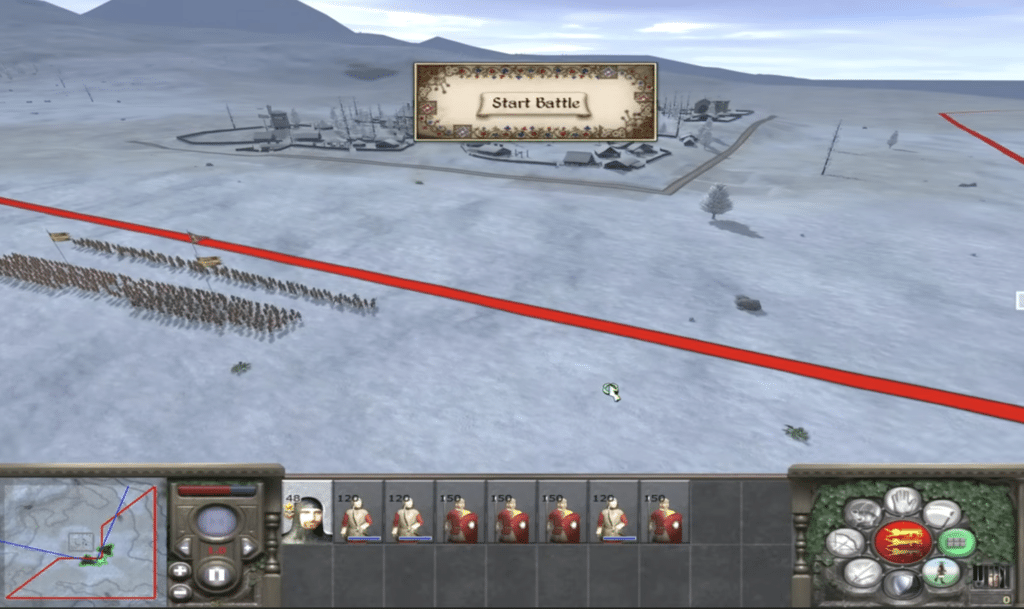
When two armies meet, the game shifts from turn-based strategy to real-time combat. Here you directly control infantry, cavalry, archers, generals, and siege equipment.
The battles can be chaotic in the best way. A well-timed cavalry charge can flip a fight, archers can soften up the enemy at range, and a flank attack can make even a larger army crumble. This is where Medieval II shows both its age and its strengths. The animations and visuals aren’t modern, but the weight and drama of the combat are still something many newer strategy games could learn from.
We did find the controls a bit clunky at times, especially when moving many units quickly. The camera also takes some getting used to if you come from newer Total War titles.
Diplomacy, religion, and the Pope can change everything
Medieval II isn’t just about war. Diplomacy matters a lot—and so does religion. As a Christian nation, you need to watch your relationship with the Pope, because going too hard at other Christian realms can have serious consequences.
You can also use priests, imams, diplomats, spies, and assassins to influence the world without marching an army. It adds extra depth because you can gain ground through manipulation, alliances, and religious pressure—not just by storming city gates.
Definitive Edition is the best version today

The version that makes the most sense today is Medieval II: Total War – Definitive Edition. It bundles the base game with the Kingdoms expansion, adding far more playtime, extra campaigns, and additional historical scenarios.
That also makes it more appealing to new players, since you’re not just getting the original campaign but a more complete package with extra content. If you enjoy historical strategy, medieval themes, and slower, open-ended campaigns, it’s still a strong pick.
An old game that still holds up
Medieval II: Total War isn’t as polished as the newest entries in the series. The interface is a bit dated, the AI can behave oddly, and the graphics clearly show the game’s age. Yet it’s hard not to get drawn in.
It’s a strategy game with soul. Every campaign unfolds differently, and memorable moments pop up all the time: a general surviving impossible odds, an alliance suddenly collapsing, or a holy war that ends up costing far more than it should.
For players in the United States who miss historical strategy games with more substance than quick missions and glossy visuals, Medieval II is still worth revisiting.
Top 5 tips for Medieval II: Total War
Start with a strong economy
It’s tempting to recruit big armies right away, but a weak economy will punish you fast. Build roads, markets, and ports early so you can afford both war and development later in the campaign.
Use cavalry for flanking
Cavalry is powerful but must be used correctly. Let infantry pin the enemy, then send knights or light cavalry in from the sides or rear. It can shatter enemy morale in seconds.
Keep an eye on the Pope
If you play as a Christian nation, don’t ignore the Pope. Attack fellow Christians too aggressively and you risk excommunication, unrest, and diplomatic trouble. Use diplomacy, patience, and cunning.
Train agents early
Spies, diplomats, priests, and assassins can make a huge difference. A good spy can reveal defenses before a siege, while a diplomat can secure alliances, trade deals, and peace when your army is stretched.
Save before major battles
Medieval II can be brutal, and small mistakes are costly. Save before key battles and sieges, especially while you’re still learning. It also makes it easier to experiment with new tactics.