


Supreme Ruler: Cold War is a deep grand strategy game that transports you back to one of the most tense periods in modern history: the Cold War. It’s not just about military might—diplomacy, economics, intelligence, and political decisions with global consequences matter just as much.
The game is especially suited to players who love complex strategy games where every choice has long-term consequences—and where a single wrong decision can trigger anything from economic collapse to nuclear war.
Global strategy in the Cold War
Supreme Ruler: Cold War unfolds in the period after World War II, with the world divided between East and West. You can take control of a wide range of nations, including superpowers like the USA and the USSR, as well as smaller countries with their own challenges and opportunities.
In our playthrough, we chose to lead a Western superpower, and it quickly became clear that the game demands patience. There are no quick victories here—you’ll constantly balance military buildup, economic growth, and diplomatic relations.
Politics, ministries, and hidden threats
One of the game’s greatest strengths is its political depth. You have direct control over several ministries, including defense, finance, and foreign affairs. Espionage also plays a central role. Using your intelligence services, you can uncover enemy plans, influence other nations, or prevent conflicts before they escalate.
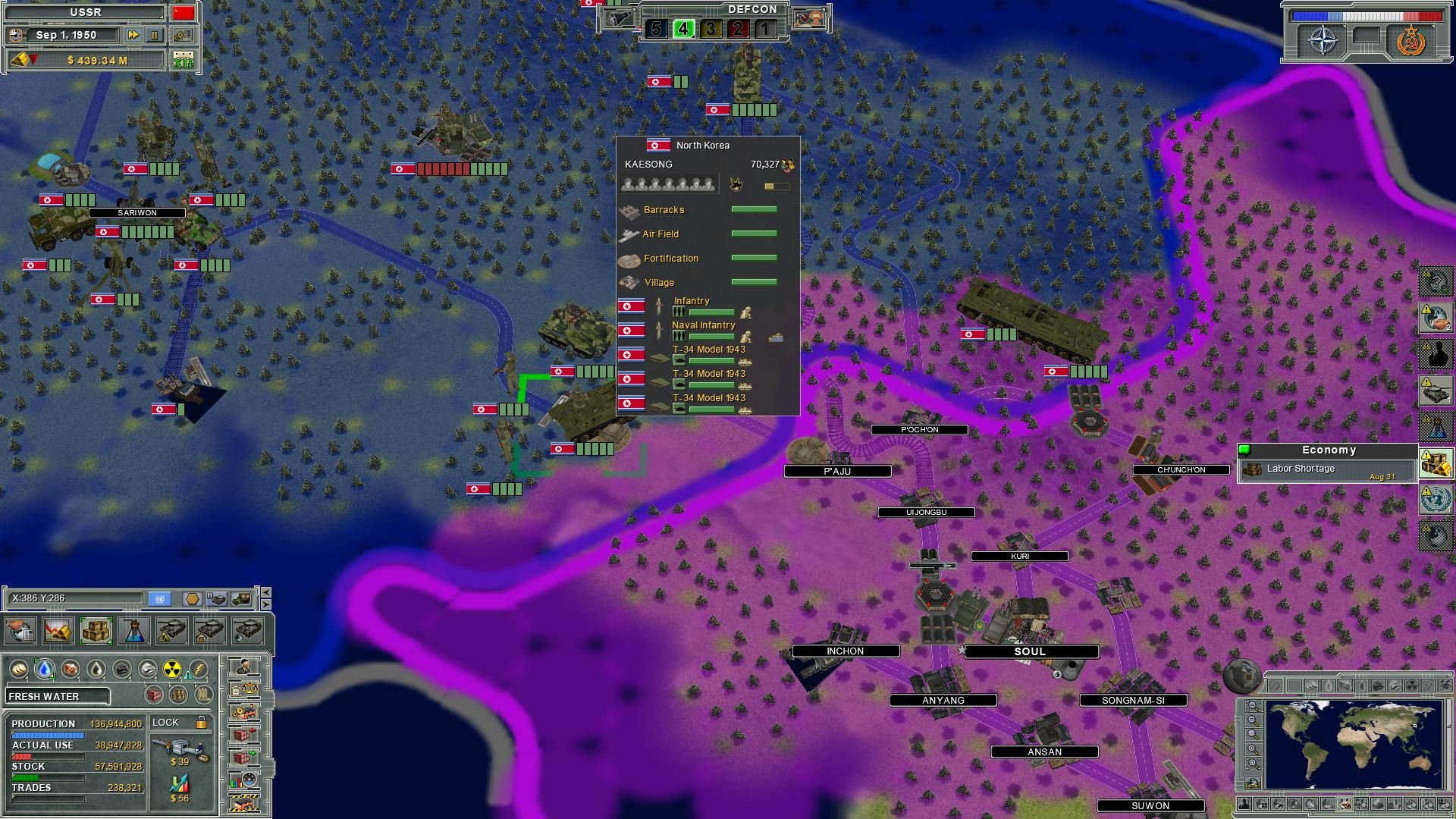
The map is used actively to monitor the global situation, and small changes are happening constantly that require your attention. It often feels more like running an entire country than playing a traditional strategy game.
Military strategy without an action focus
The military layer is detailed but relatively slow. That suits the game’s realistic approach, but it can feel heavy for players who expect quick battles and nonstop action. Here, success is about positioning, logistics, and long-term planning rather than reflex-based combat.
We found that this approach makes the game especially compelling for fans of classic grand strategy, though it may put off more casual players.
Graphics and interface


Graphically, Supreme Ruler: Cold War is functional rather than flashy. The map is detailed and informative, but the interface can feel overwhelming at first. There are many menus, numbers, and statistics to manage, and the learning curve is steep.
After a few hours, however, it starts to make sense, and the depth becomes a strength rather than a weakness.
Top 5 tips for Supreme Ruler: Cold War
Prioritize your economy early
A strong economy gives you the freedom for both military buildup and diplomatic maneuvers later in the game.
Avoid direct conflicts at the start
The Cold War is about balance of power. Early aggression can have catastrophic consequences.
Use espionage proactively
Good intelligence can save you from costly mistakes and give you an edge in international confrontations.
Watch the world market
Resource prices and trade affect your stability more than you might think.
Take time to learn the interface
The better you understand the systems, the more satisfying the experience becomes.
Who should play Supreme Ruler: Cold War?
Supreme Ruler: Cold War isn’t for everyone. It’s a game for strategy enthusiasts who enjoy complexity, realism, and long-term planning. If you’re into geopolitics, history, and detailed simulation games, it’s a particularly compelling experience.