


The Zelda adventure that still feels bigger than most new games
The Legend of Zelda: Breath of the Wild is an open-world action-adventure from Nintendo where you, as Link, wake up in a ruined Hyrule and must find your own path through mountains, ruins, enemies, temples, and countless moments of pure discovery.
We tested Zelda Breath of the Wild on Nintendo Switch, and it’s still one of those games where you quickly forget what you originally set out to do. You spot a tower on the horizon, climb a cliff, get caught in a thunderstorm, run out of weapons, throw together a random dish over a campfire—and suddenly an hour has flown by. That freedom is exactly what makes Breath of the Wild so strong, even years after release.
An open world where curiosity almost always pays off

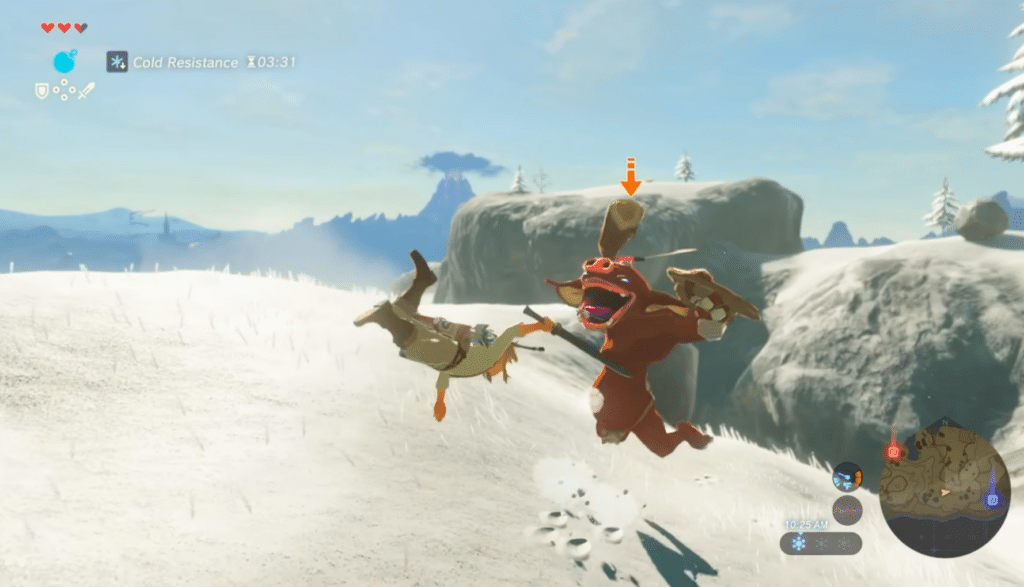
Breath of the Wild breaks from the more classic Zelda formula. Instead of funneling you through a tight sequence of dungeons, it gives you a massive world where you set the pace. You can follow the main story, hunt Shrines, find Korok seeds, collect better gear, tame horses, or simply wander to see what’s over the next hill.
It may sound simple, but that’s the game’s greatest strength. Hyrule doesn’t feel like a checklist map packed with icons. It feels like a place you explore because you want to. In our testing we often drifted from the main objective because a strange light, an enemy camp, or an unusual rock formation seemed more intriguing.
Gameplay built on physics, freedom, and clever little solutions
Zelda Breath of the Wild gives you lots of systems but almost no fixed answers. You can fell trees and use them as bridges. You can set grass on fire and ride the updraft to glide away with your paraglider. You can roll boulders into enemies, sneak in at night, or try to win a fight you honestly aren’t strong enough for yet.
Weapons break, and that’s divisive. Some players love it because it forces you to improvise. Others find it frustrating, especially when a great sword shatters mid-fight. We land somewhere in the middle: the system gives the game bite and variety, but it can also feel a bit needlessly punishing at first.
Zelda Breath of the Wild on Nintendo Switch and Switch 2
The game is closely tied to Nintendo Switch, and it still plays really well in handheld mode. It’s one of those games that’s perfect for the couch, a commute, or a quiet Sunday morning when you just want to explore without jumping into a heavy multiplayer session.
Nintendo has also released a Nintendo Switch 2 Edition that brings technical upgrades like faster loading, smoother performance, improved resolution, and HDR support. It doesn’t fundamentally change the game, but it makes the experience feel more modern—especially for players returning to Hyrule on newer hardware.
The story is simple, but the atmosphere sticks with you
The story in Breath of the Wild isn’t heavy on dialogue or long cutscenes. Link wakes after a long sleep, Hyrule has fallen, and Calamity Ganon still threatens the land. Much of the narrative is told through memories, ruins, landscapes, and brief encounters with people living in the shadow of catastrophe.
That gives the game a slightly melancholic tone. Hyrule is beautiful, but also broken. Many places feel like you’re walking through the remnants of something grand. It fits surprisingly well with the calm exploration, where you often just stop and look out over the landscape.
Graphics and sound: not the most technically advanced, but artistically strong

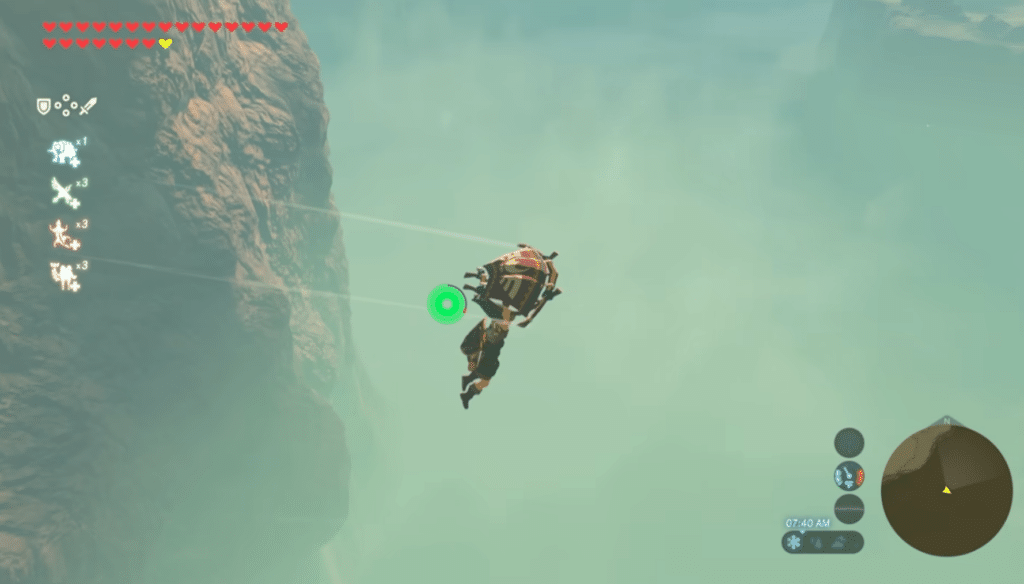
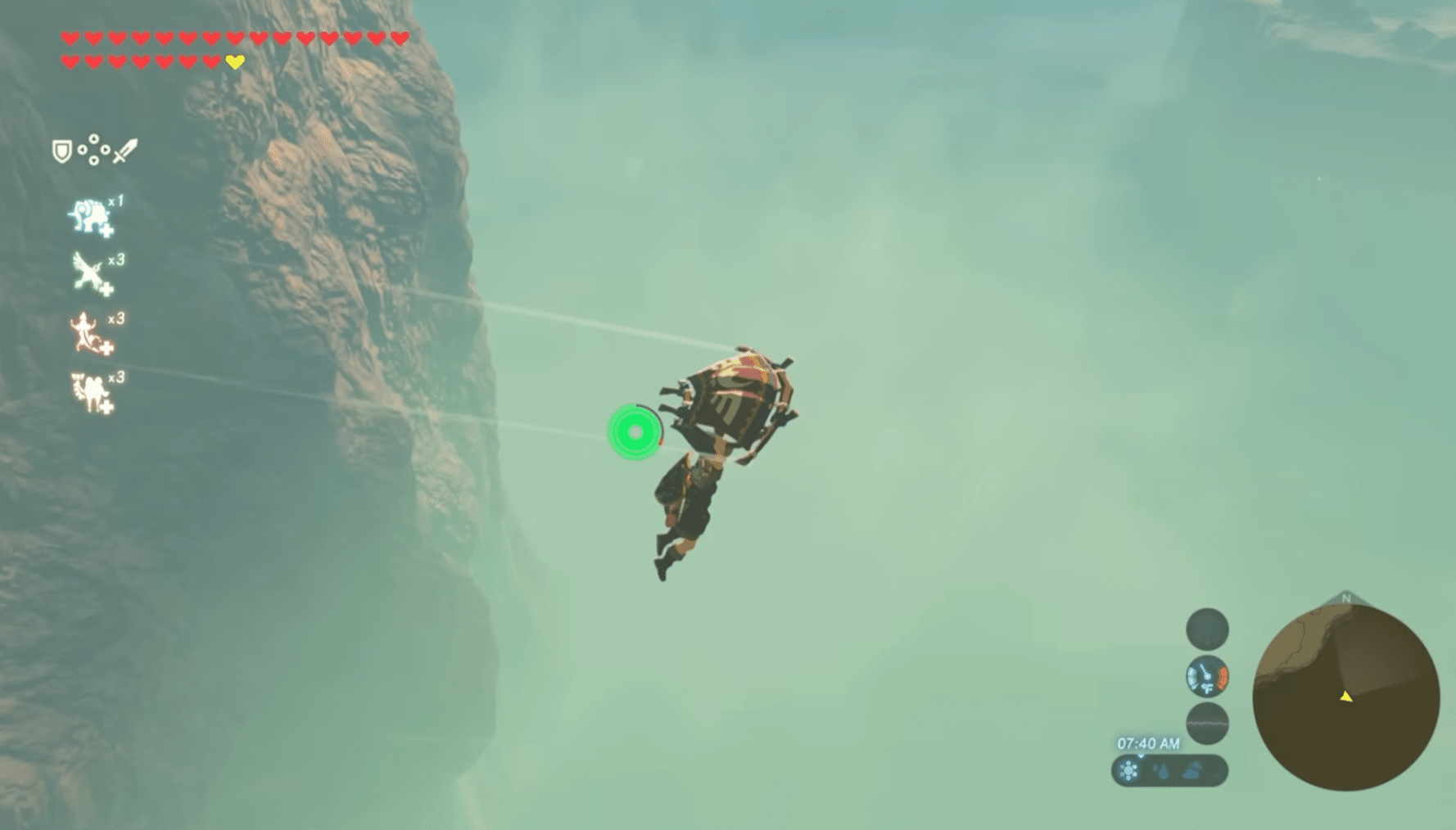
Breath of the Wild isn’t impressive in the same way as a new photorealistic PC game. Instead, it has an art style that holds up. The colors, lighting, animations, and landscapes work together in a way that makes Hyrule feel alive.
The music is also more understated than in many other adventure games. Instead of constant orchestral blasts, you get small piano motifs, nature sounds, wind, rain, and subtle melodies. It can feel almost empty at first, but after a while it feels just right. The game gives you room to breathe.
Who should download or buy Zelda Breath of the Wild?
Zelda Breath of the Wild is especially great if you enjoy open worlds, adventure, exploration, and games where you create many of the best moments yourself. It’s not a game that holds your hand the whole way—and that’s part of the charm.
If you prefer linear missions, clear markers, and nonstop action, the pace may feel a bit loose. But if you like to experiment, get lost, and discover things on your own, Breath of the Wild is still one of the best games on Nintendo Switch.
Top 5 tips for Zelda Breath of the Wild
1Climb up before you pick your route
Find high vantage points early, especially towers and mountain peaks. Breath of the Wild is much easier to read when you spot Shrines, stables, and interesting areas on the horizon yourself.
2Cook before the tough areas
Cooking isn’t just for show. Dishes with cold resistance, extra hearts, or stamina can be the difference between a great expedition and a very short trip back down a mountain.
3Don’t hoard your best weapons
Weapons break, so use them. We took far too long to accept it, but the game is more fun when you improvise instead of saving your best sword forever.
4Prioritize stamina early
More hearts are nice, but extra stamina dramatically improves exploration. You can climb longer, swim more safely, and reach places that otherwise feel just out of reach.
5Talk to people in stables and villages
Stables and villages are often more than rest stops. You’ll get hints, side quests, rumors, and small stories that lead you to some of the game’s best finds.