 Martin Jørgensen
Deadhunt is an old-school first-person arcade shooter from REL Games with one simple goal: survive as long as you can, shoot anything that moves, and get stronger along the way with bonuses and weapon upgrades. It isn’t a story-driven title — it’s that “just one more run” feel, perfect if you enjoy arena shooters, waves, and chasing high scores.
During our test on a standard Windows 11 PC, the demo installed without issues, but we had to tweak a couple of things (fullscreen and mouse sensitivity) before it felt just right. Once it clicks, Deadhunt is surprisingly addictive — especially because you’re constantly rewarded for snapping to targets quickly and staying alive.
Gameplay and features
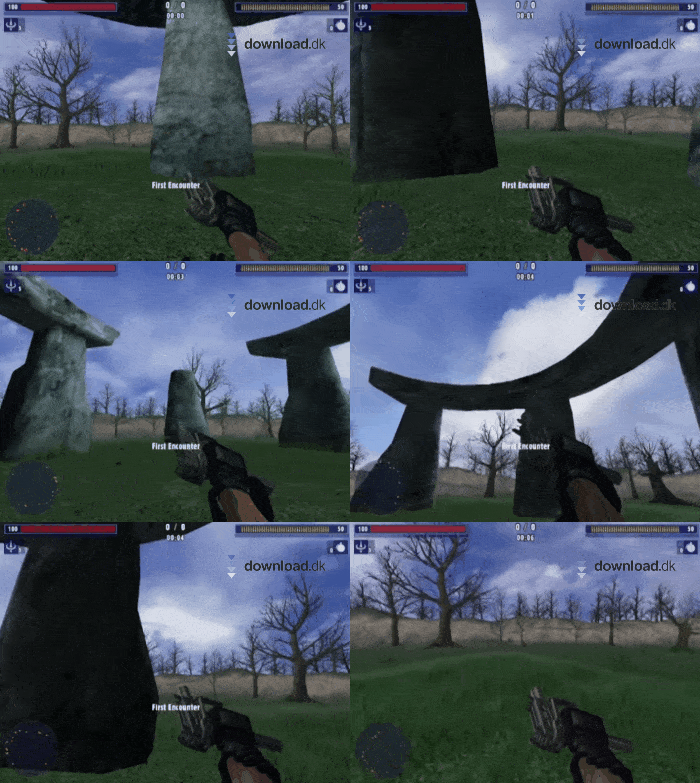
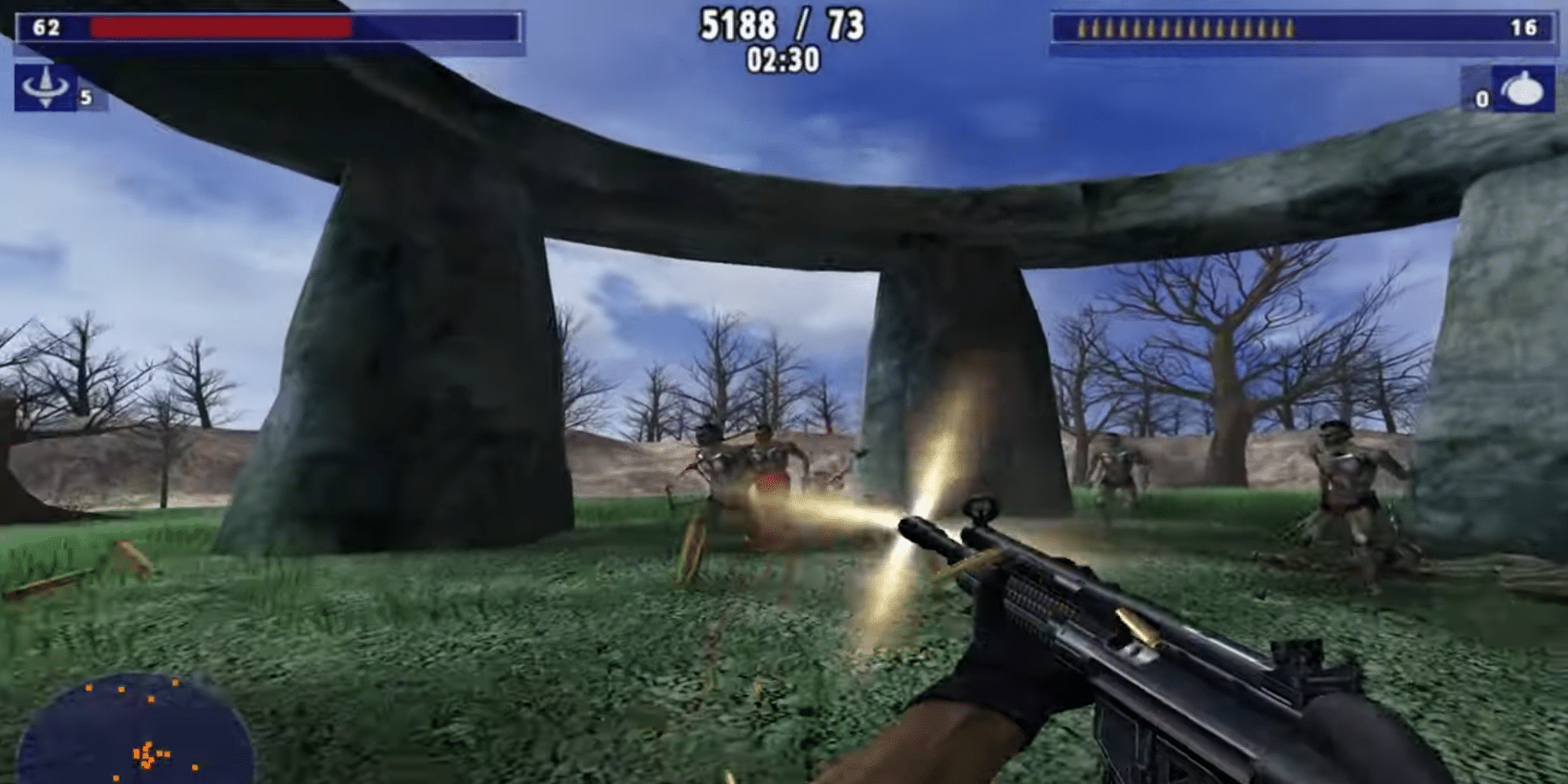
Deadhunt feels like a mix of classic FPS and arcade action: you’re dropped into an arena, enemies come in waves, and you have to keep the pace up. The more efficiently you play, the more rewards you earn — and that feedback loop is exactly what makes the game hard to put down.
What really sets Deadhunt apart from many “zombie shooters” of the same era is its progression: you don’t just become “bedre som spiller” — your character also grows stronger via bonuses/perks, and you unlock more ways to clear waves once you find your rhythm.
Survival and Greed
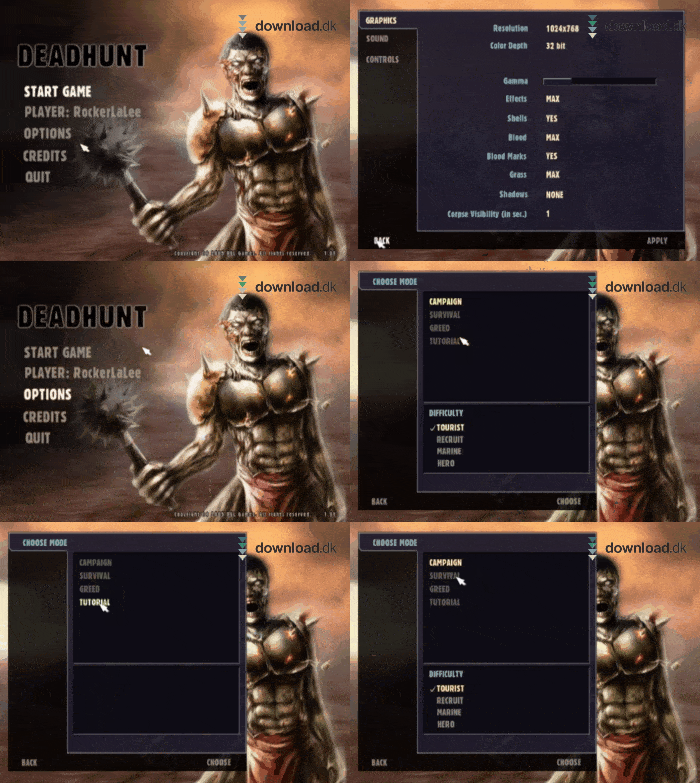
There are two modes worth understanding before you jump in:
Survival: This is the “pure” high-score mode — rack up points by killing monsters and collecting items.
Greed: Here’s the psychological trap — if you die, your score resets. So it’s about pushing your run as far as possible, but stopping in time before you lose it all.
In practice, Greed made our testing feel more intense, because you’ll take slightly dumber risks… and you quickly learn to respect it once the game starts to snowball.
Graphics and design
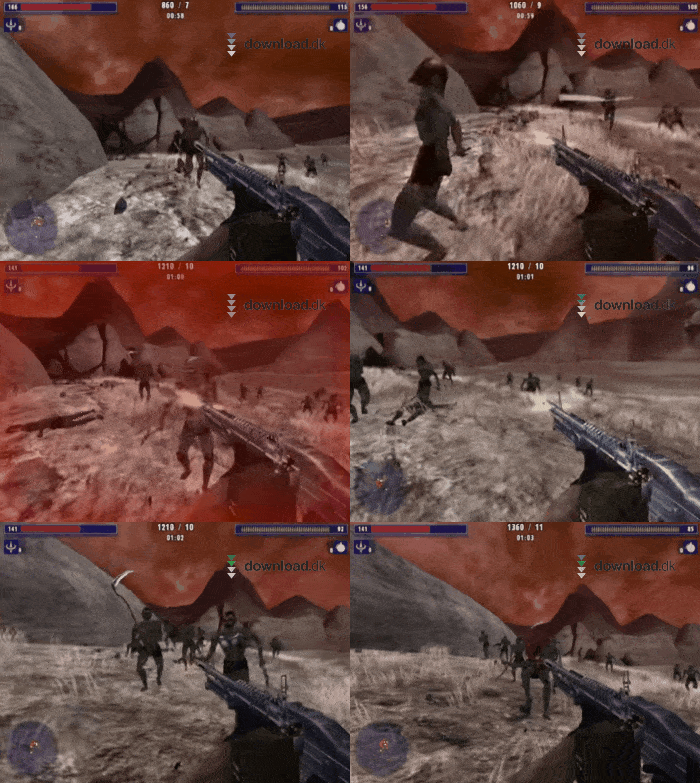
It’s clearly a mid‑2000s game — and yes, it looks like it. But the style is consistent: dark environments, readable enemies, and effects that keep combat easy to parse when the screen gets crowded. It’s not “pretty,” but it’s functional — and that matters more than you’d think once the waves get big.
Challenges and controls
On modern Windows, Deadhunt can feel a bit “stiff” at first. In our test, it helped to:
✅ start in windowed mode the first time (so you can change settings without things going haywire)
✅ adjust mouse sensitivity before judging whether your aim feels off
✅ close unnecessary background apps (to avoid microstutter in older games)
Once it’s dialed in, it’s the kind of game where you slip into “autopilot” and just chase a better run.
Strengths and weaknesses
Deadhunt shines if you want short sessions where you can jump in, get instant action, and jump out again. It’s not something you play for a story — but it’s perfect for those “I have 20 minutes” evenings.
And remember: the demo is just that — a demo. It gives a solid taste, but you’ll hit the ceiling quickly if the gameplay loop hooks you. (The full version is still sold today, including on Steam, but we’re not linking out here.)
Top 5 tips for Deadhunt
Play the first minutes “cold” — build pace before you chase kills
It’s easy to go too aggressive in Deadhunt. Use the start to find your rhythm: movement, aim, and reload timing. Once your flow is stable, the score follows.
Don’t let the hordes box you in — always keep an escape route
It’s rarely a single monster that kills you — it’s getting trapped in a corner. Move in arcs and make sure you have space behind you when waves get dense.
In Greed: quit while you’re ahead (seriously)
Greed is brutal: if you die, your score is gone. Make a rule for yourself — when you feel it “tipping,” end the run and bank the points.
Prioritize control-oriented perks — not just raw damage
High damage is great, but control wins runs: perks that help you keep distance, survive, and clear space usually yield higher scores long-term.
If it feels “off”: start windowed and tune your mouse first
Older FPS games can feel odd on modern setups. Launch windowed, dial in sensitivity and display — then switch to fullscreen.
FAQ about the Deadhunt demo
It feels like a “klassisk zombieshooter, men fjendetyperne” — but enemy types are broader (zombies, skeletons, and other creatures). The focus is waves and survival, not lore.
The demo is primarily a taste of the gameplay loop. If you get hooked on progression and that wave-clearing feel, the full version usually makes more sense long-term.
Yes, in our test the demo ran fine on Windows 11. If fullscreen or input acts up, start in windowed mode and tweak settings before switching to fullscreen.
Survival is about scoring as many points as possible. Greed resets your score if you die — so you need to stop in time while you’re still ahead.
It’s very lightweight: a Pentium III–class CPU, 256 MB RAM, a DirectX-compatible graphics card, and very little disk space.