
 Martin Jørgensen
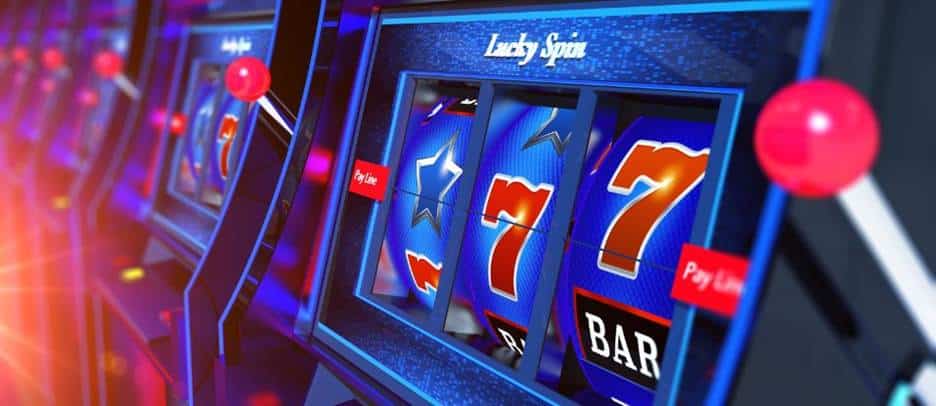
It happens almost every time: you pull the lever on a flashing slot or pick a virtual wheel on your screen, but what actually drives the entire experience is something few people ever think about. Algorithms hide behind the facade, and even though spillemaskiner today run on sophisticated technology, the power still lies in invisible code. Big wins, small surprises, and everything in between—the whole thrill curve—is the result of 1 working behind the scenes to simulate randomness within fixed parameters.
Oddly enough, many still look for patterns, even though US regulations place a strong emphasis on fairness and transparency.
The experience is a mix of visual and audio elements that support the game’s design, all timed by systems we’ll likely never access ourselves. Those algorithms are almost impossible to decipher, but they’re what keep the reels spinning.
How algorithms determine the outcome
When it really matters, one algorithm usually sets the agenda: the RNG, or Random Number Generator. It runs constantly in the background, whether you’re playing online slots or standing at a physical machine.
Every single spin is driven by a number selected completely at random—at a speed that’s hard to imagine, thousands of times per second. The chance of predicting when a win will land is essentially nonexistent. According to industry experts, the technology ensures that no spin influences the next.
However, games are still built with a specific Return to Player (RTP), which might be around 96.2%, give or take. And volatility—how often and how much is paid—is also part of the code from the start.
Some machines are tuned for large but rare wins, while others pay out smaller amounts more frequently. It feels random, but in the end it’s really just probability and code at work. It may seem a bit cold, but that’s fundamentally how the system is designed.
The experience is digitally designed
In many ways, the algorithm is much more than numbers bouncing around. Almost the entire experience—from the popping sounds to when an animation flashes or spins—is digitally planned and calibrated to make it extra appealing. Developers constantly experiment with how rewards and wins are distributed by varying the drip of payouts. Providers use reinforcement schedules that no one can truly predict, and they’re designed to increase the sense of pace and excitement—much like anything that pirrer belønningscentret.
All those bonus rounds, free spins, or small extra mini-games may appear after almost no spins—or make you wait hundreds of rounds. Control typically happens digitally, often without you noticing, and the game’s rhythm also shifts depending on how the software is programmed. If it feels exciting, that’s hardly a coincidence—it’s deeply baked into the programming. And so it rolls on, second by second.
Personalized gaming through new algorithms
Algorithms have moved beyond the core of the game and now extend to almost everything around the casino experience. In online environments, player behavior is closely monitored—allegedly to improve the user experience and ensure safety. Some places use more advanced systems to spot risky play, perhaps even before it becomes problematic, which can trigger warnings or limits before you notice anything yourself.
On top of that, offers and recommendations are often adjusted in real time—everything the software can measure is fed into suggested game choices or tools on the home page. Industry voices from SCCG Management believe the largest operators are now so data-driven that interfaces, recommendations, and features are tailored to the individual. The interface, how often you receive reminders, and how bonuses roll in are constantly adjusted so it always feels new—or at least a bit more relevant.
You rarely notice it directly, but suddenly the casino seems easier to use and more “personal.” The algorithms still lurk in the background and adapt without most people realizing it.
Algorithm limits and fairness
There’s no denying the technology behind these games has become quite advanced. Even so, companies and algorithms can’t just do whatever they want. In the US, rules are increasingly strict, and authorities review and approve RTP levels and the probabilities of bonus features—often thoroughly—via independent testing labs.
According to Rethinking Economics, no one has really found a way to beat the algorithms or catch them running hidden patterns. The software is coded to be as unpredictable as possible, for better and for worse. Serious platforms use only approved systems, and audits run continuously to ensure fairness. As a player, you’re almost powerless to expose or alter the system.
The mechanisms behind it are complicated by design to ensure everything stays within the house’s parameters—neither too much nor too little. The algorithm ultimately decides, but it still has to follow the rules down to the last decimal. Much is handled digitally, but platforms face fairly strict requirements for security and responsibility.
Play responsibly when you choose entertainment
It’s hard not to notice how algoritmer have made the casino world more accessible and, for some, far more enticing. That’s exactly why more and more people risk losing perspective while chasing the next win. It may sound strict, but it’s wise to set clear limits on how much time and money you’ll spend before you get started.
Taking a break now and then also helps—giving yourself the chance to check whether the thrill is still fun or curiosity is taking over. If you run into challenges, there are plenty of places to find guidance, and most platforms offer responsible-gambling tools you can use when needed.
Under the surface, the technical machinery keeps working. But the decision about how long and how much you play is yours. Responsible play is the best foundation for keeping the experience healthy.