 Martin Jørgensen
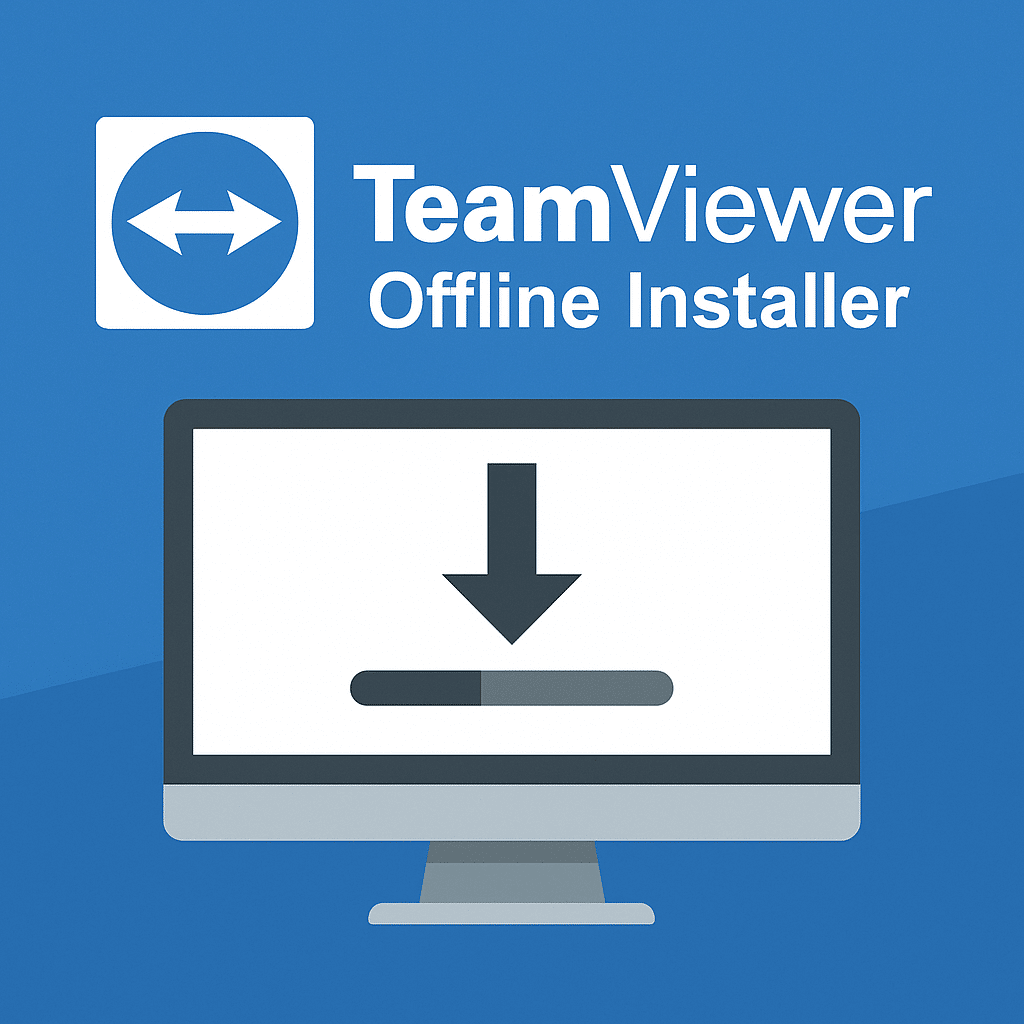
The TeamViewer offline installer is stable, fast to deploy, and ready for both personal and professional use—no internet needed during setup.
The offline installer version of TeamViewer is the full installation package that can be installed without an active internet connection. That makes it ideal for IT environments rolling software out to many machines, networks with limited internet, or situations where installers need to be archived locally for later use.
In our tests, the offline installer delivered a noticeably more stable setup process than the standard web-based edition. Because the installer doesn’t need to fetch extra components online, you avoid many errors and can deploy to multiple devices much faster.
The offline version works with the full client, the Host edition, and the MSI variant, making it flexible for different setups. On regular user machines it installs like any other app, while in IT operations it enables automated deployment and centralized management.
How TeamViewer performed in our testing
In our internal lab, we installed the TeamViewer offline package on both Windows 10, Windows 11, and a single macOS machine. Installation took only seconds, and the program started without errors. On first launch, users must grant security permissions and enable access settings—especially on macOS, where screen recording and control require approval.
Remote access worked flawlessly. We noticed no lag on mouse and keyboard, and the display was smooth even across long distances. File transfer was fast, and unattended access was set up in under a minute. Stability was especially apparent with the offline-installed versions, because installation always started from the same predictable baseline.
Why choose the offline installer over the standard version?
Here are the three main reasons:
- It can be deployed without internet access.
- You can copy and reuse it repeatedly without a new download.
- It’s ideal for professional environments where you want full control over the installation package.
That means no wasted bandwidth, fewer download errors, and system administrators always know exactly which version is being installed.
Features that make a difference
In practice, TeamViewer behaves the same regardless of installation method, but in our tests these features stood out:
- Low-latency remote control
- Fast file transfer between devices
- Multi-platform support (desktop and mobile)
- Unattended access to fixed workstations
- Stability and strong security with encryption
- Support for advanced IT setups with Host and MSI editions
We especially noticed that file transfer was unusually stable—something that often varies in other remote access tools. Here it was fast and uninterrupted.
Top 5 tips for the TeamViewer offline installer
Tip 1 – Use the MSI variant for larger deployments
The MSI package is ideal for IT environments. You can roll it out via Group Policy and script-based installation.
Tip 2 – Prepare firewall settings
Even though the app installs offline, required ports must be open for remote access. Configure this in advance.
Tip 3 – Store the offline package in a secure location
Once you’ve downloaded the installer, keep it on a central, secure drive so you can repeat installations without downloading again.
Tip 4 – Enable two-factor authentication
TeamViewer offers strong security settings—use them. Two-factor authentication and strong passwords are must-haves.
Tip 5 – Choose the Host edition for fixed workstations
If you manage servers or unattended machines, the Host edition is best. It’s easy to set up and requires minimal maintenance.