 Martin Jørgensen
Farthest Frontier makes city-building slow, brutal, and truly satisfying
Farthest Frontier is a medieval city-building survival game where you build a functioning settlement from scratch in a harsh, unpredictable wilderness.
It might sound like another cozy strategy game with fields, houses, and cute villagers, but Farthest Frontier is far more demanding. It’s not just about placing buildings neatly. You have to manage food, disease, weather, labor, predators, trade goods, outside threats, and a population that quickly runs into trouble if you plan poorly. Officially, it’s a city builder where you harvest raw materials, hunt, fish, farm, and produce goods to survive on the edge of the known world.
We tested Farthest Frontier on a Windows 11 PC, and the first impression felt calmer than the game ultimately becomes. The first shacks, wood piles, and berry bushes create an almost idyllic vibe. But after an hour or so, you realize the game doesn’t just want you to build a pretty town—it wants you to understand why the town works at all.
A city builder with weight and consequences
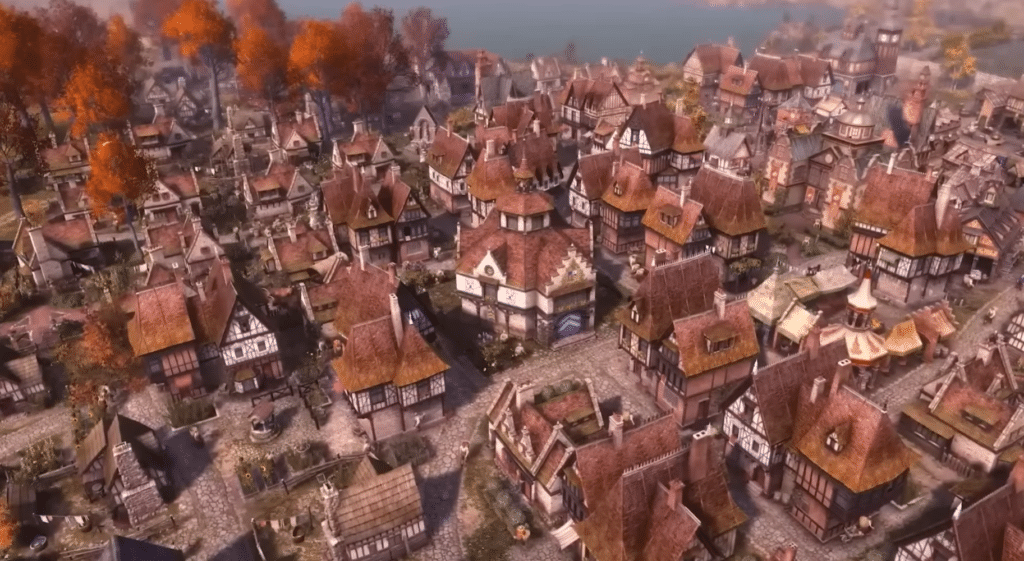
Farthest Frontier is perfect if you love tinkering with city planning, production, and small optimizations. You start with a handful of settlers and very limited resources, but over time your village grows into a more complex society with fields, storage buildings, trading posts, artisans, defenses, and specialized production chains.
The standout strength is how decisions have consequences later. Place homes too far from workplaces and people waste time walking. Set up fields without considering soil fertility and your harvest will suffer. Neglect defenses and a raid can devastate both stockpiles and population. It’s slower than many city builders, but far more satisfying when everything finally clicks.
Farming, resources, and the never-ending fight against winter
Farming is one of the most important systems in Farthest Frontier. It’s not enough to plop down a field and wait for food. You have to consider crops, field diseases, soil quality, rotation, and seasons. That adds realism—but also a steeper learning curve for new players.
In our test, things went smoothly at first—until we underestimated winter. Food ran short, the hunting cabin was poorly placed, and our storage wasn’t positioned smartly for production. Annoying in the moment, but exactly the kind of mistake that makes Farthest Frontier compelling. You learn by failing, and the game rewards you once you start building with intent.
City planning with more freedom than before
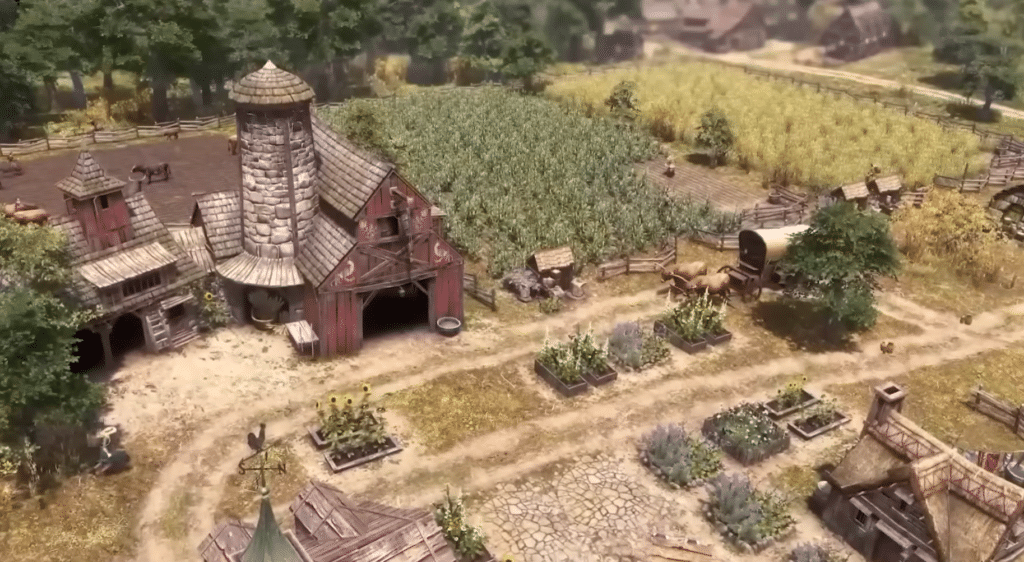
One major improvement is the freer building style, where you’re no longer locked into a classic grid. A big post-launch update introduced a gridless build mode, letting settlements take on more natural, less boxy shapes.
That fits Farthest Frontier perfectly because terrain matters. Forests, lakes, hills, and resources mean the ideal town is rarely symmetrical. The flexible building tools make it easier to create organic-looking villages without sacrificing function.
Combat, predators, and a pacifist mode
Farthest Frontier isn’t a pure war game, but danger is real. Wolves, bears, disease, and enemy attacks can hit your settlement, so you need to plan for defense—watchtowers, walls, placement of key buildings, and later, a sturdier urban layout.
There’s also a pacifist mode for players who prefer to focus on building, economy, and survival without fighting enemies. It’s a great choice if you lean more Banished than military and defenses.
Farthest Frontier download for PC
You can get Farthest Frontier on Steam as a PC download. After years in Early Access, the game launched and has since received major updates and extra content, including pets as DLC.
Who should play Farthest Frontier?
Farthest Frontier is best for players who enjoy slower strategy games with layered systems. It’s not the kind of game where you drop buildings at random and watch the city grow by itself. It demands patience, planning, and a willingness to fine-tune details.
In return, it’s immensely satisfying when the town starts to hum. When food production is stable, the market is stocked, homes are warm, and the trading post finally turns a profit, it feels earned—not gifted by the game.
The early game can feel heavy. The UI isn’t difficult, but the number of systems can surprise you. New players should start slow, avoid growing too fast, and accept that the first town won’t be perfect.
Alternatives to Farthest Frontier
If you like Farthest Frontier, three strong alternatives stand out.
Banished is the closest match if you want a brutal survival focus and a tighter, smaller experience. Anno 1800 is better for larger production chains, trade, and a flashier presentation. Cities: Skylines fits modern city planning, traffic, and infrastructure, but lacks the same battle against nature and the seasons.
Farthest Frontier lands between cozy city building and harsh survival strategy—and that balance is exactly why it’s worth recommending.
Top 5 tips for Farthest Frontier
Don’t expand too fast
It’s tempting to grow immediately, but Farthest Frontier punishes rapid growth. Secure steady food, firewood, housing, and storage before welcoming too many new settlers.
Place storage close to production
Your citizens spend a lot of time walking. Put storehouses, wood piles, and markets near the buildings that use those resources. It matters more than you think.
Mind your crops and soil quality
Fields aren’t fire-and-forget. Improve soil fertility, rotate crops, and watch for plant diseases. A bad harvest can quickly sink an otherwise stable town.
Build defenses before you need them
Don’t wait for enemies to hit your town. Start by protecting storage, the market, and key production buildings so a raid doesn’t cripple your economy.
Use the trading post aggressively
Trade can save you when you lack specific goods. Sell production surpluses and buy what you can’t efficiently produce yet. It adds flexibility in tough periods.