 Martin Jørgensen
Qwen AI is Alibaba’s answer to ChatGPT
Qwen AI is Alibaba’s take on an advanced AI chatbot and language model that in many ways resembles ChatGPT — but with a distinctly different approach. While Western AIs often emphasize creativity and broad use, Qwen is built more as a technical tool focused on code, structure, and precision.
Qwen is already widely used across Asia and among developers globally, and interest in the United States is clearly growing. That’s why we tested Qwen to see what it can actually do — and who it makes sense for.
What is Qwen AI?
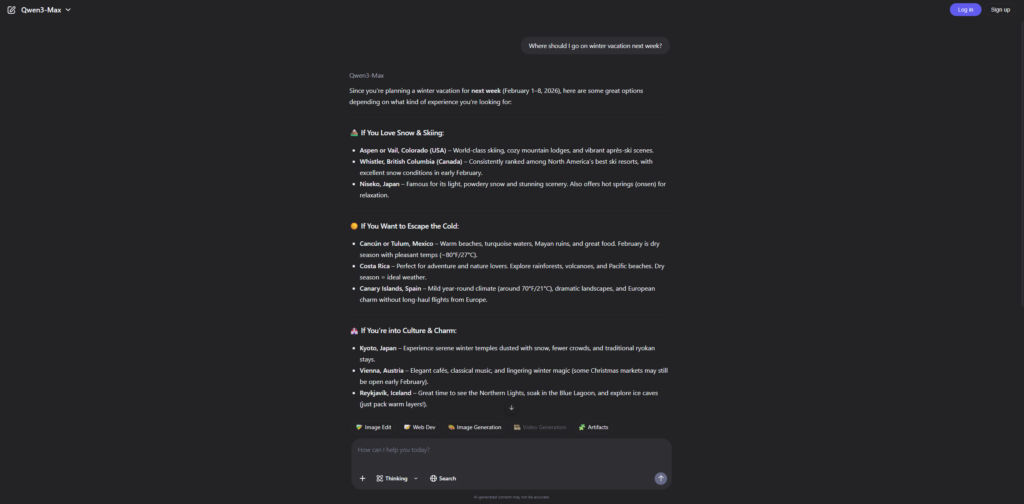
Qwen is a family of large language models developed by Alibaba Cloud. The models are used both as a chatbot and as the foundation for other AI tools, especially within software development, data analysis, and technical workflows.
Unlike many AI chatbots, Qwen isn’t just a “chat” tool — it’s a more controlled and systematic model that can handle:
• code and scripts
• technical documentation
• logical reasoning
• structured answers
• multimodal input (text + images in newer versions)
Qwen comes in several variants, including newer generations like Qwen 2.5, which promise better understanding, higher precision, and stronger coding abilities.
Our test of Qwen AI
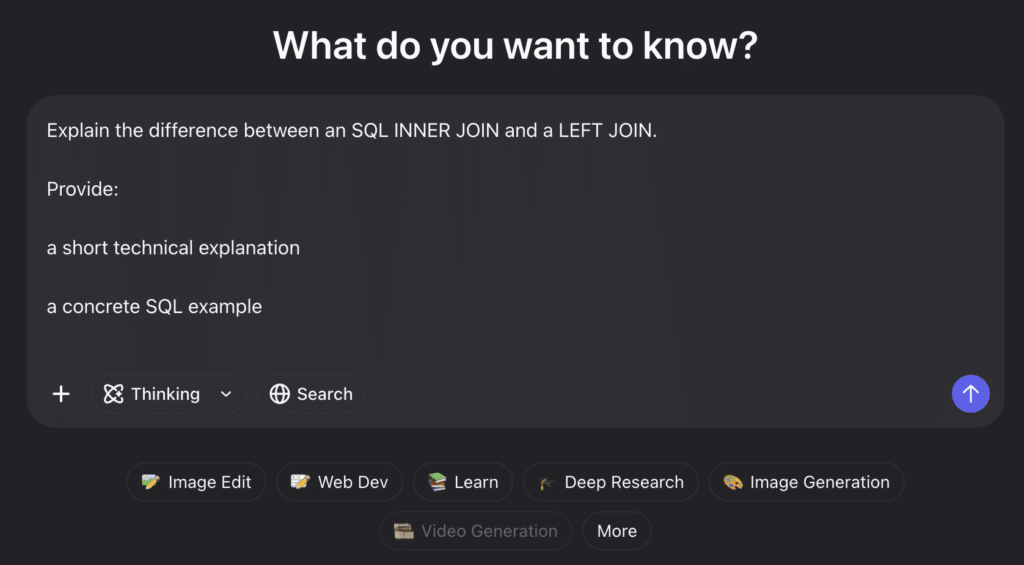
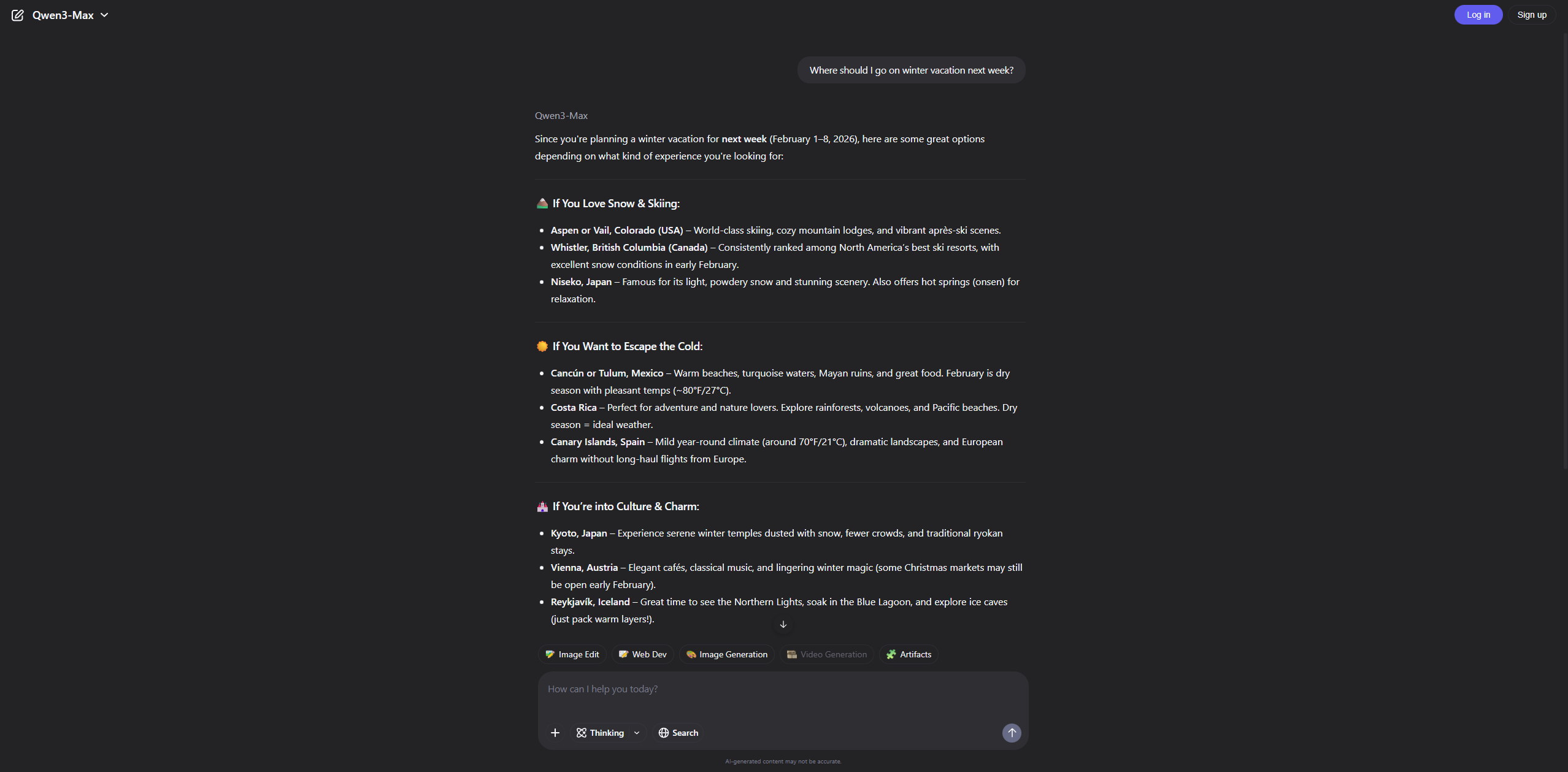
We tested Qwen directly in the browser on a standard Windows 11 PC without a VPN. Access was extremely easy, and the interface is surprisingly clean and functional — though it feels more like a developer tool than a friendly chatbot.
During testing, we especially noticed:
• very precise answers to technical questions
• strong performance on code examples (Python, JavaScript, SQL)
• neutral and controlled phrasing
• significantly less creative freedom than ChatGPT
When we asked Qwen for explanations, it worked best when the task was clearly defined. For open, creative tasks, the answers felt more cautious — and sometimes downright dull.
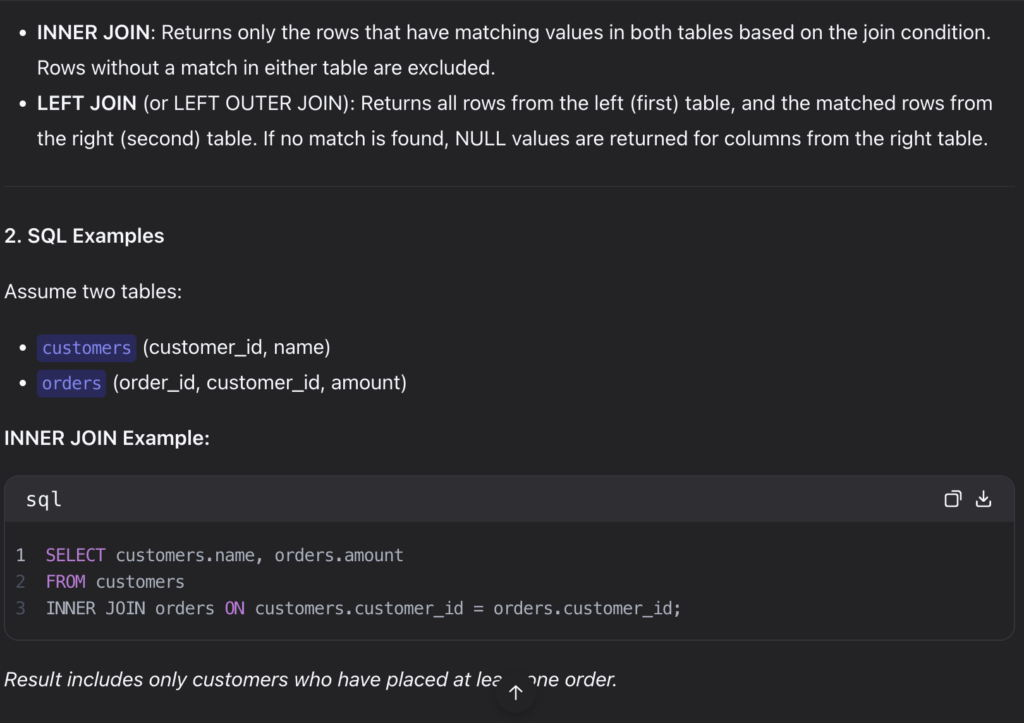
Features and capabilities in Qwen
Qwen AI stands out most on the technical side. These are the features that matter most in practice:
Advanced code understanding
Qwen is clearly trained with a strong focus on code. In our tests, it was good at:
• explaining existing code
• fixing errors
• suggesting more efficient solutions
• working with larger code blocks without losing context
Structured answers
Instead of long, chatty replies, Qwen often delivers short, systematic explanations. That’s an advantage for technical users — but can feel dry for everyday users.
Multimodal support
Newer Qwen models can work with both text and images, for example by analyzing screenshots, diagrams, or simple visual inputs.
Qwen vs ChatGPT – what’s the difference?
Qwen and ChatGPT are often compared, but they’re built for different types of users.
ChatGPT:
• more creative
• better for text, ideation, and dialogue
• more flexible for everyday use
Qwen:
• stronger for code and technical tasks
• more controlled and neutral
• less suitable for creative writing
In practice, we experienced Qwen as a tool you use with a clear purpose — where ChatGPT functions more like a digital assistant for “a bit of everything.”
Data privacy, China, and the US – what to know
As a U.S. user, it’s important to keep in mind that Qwen is developed and operated from China. That means:
• different data laws than in the US
• less transparency around data storage
• limited documentation regarding compliance with U.S. privacy standards
We therefore don’t recommend using Qwen for:
• personal data
• sensitive information
• confidential business content
For technical experiments, code, and general tasks the risk is lower — but be mindful of the differences compared with US- or EU-based AI services.
Who is Qwen AI right for?
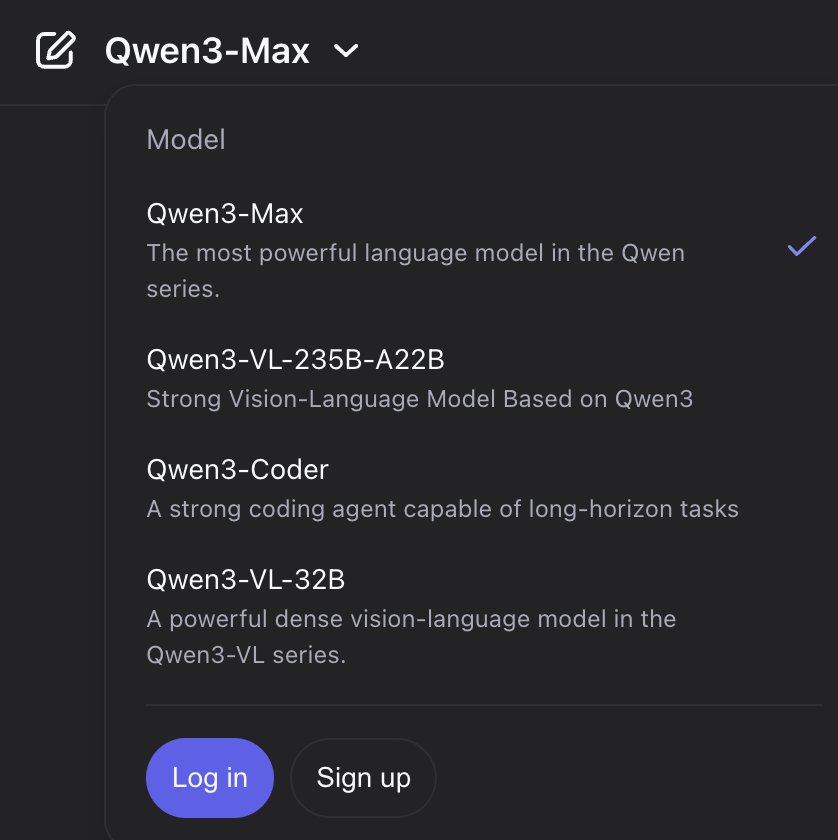
Qwen makes the most sense for:
• developers and programmers
• students within IT and engineering
• AI-curious users who want to test alternatives
• users working on structured, technical tasks
For typical office work, creative writing, or day-to-day AI assistance, Qwen isn’t the obvious choice — at least not yet.
Top 5 tips for Qwen AI
Why Qwen is interesting – but not for everyone
Qwen AI clearly shows that AI development is moving in different directions globally. While Western models prioritize creativity and broad applications, Qwen focuses on control, engineering, and precision.
For the right users, it’s a powerful tool. For everyone else, it feels more like a specialized instrument than a helpful everyday chatbot.