 Martin Jørgensen
Zen Browser is the Firefox-based alternative for anyone who misses Arc on Windows and Linux
Zen Browser is a free, open-source, Firefox-based browser focused on privacy, vertical tabs, workspaces, and a calmer browsing experience. The browser is still in beta, but it already feels like one of the most exciting alternatives to Chrome, Edge, Arc and Brave.
The interesting thing about Zen Browser is that it blends the familiar with the new. Under the hood it runs on Firefox and Gecko, but the interface feels far more modern than classic Firefox. That’s especially true if you’ve looked longingly at Arc Browser on Mac before. Zen hits a similar idea with vertical tabs, workspaces, and a more focused way to organize your browser—just with broader support for Windows, macOS, and Linux.
We tested Zen Browser on Windows 11 and macOS, and the first impression was clear: this isn’t built for people who just want a bare-bones, familiar browser with no new habits. Instead, it’s genuinely interesting if you often keep many tabs open, juggle multiple projects, use web apps daily, or are simply tired of your browser feeling like a messy desk.
Zen Browser describes itself as a beautifully designed, privacy-focused browser with productivity features, and the official download page lists versions for macOS, Windows, and Linux. It’s still labeled beta, so expect ongoing development and the occasional rough edge.
A browser with vertical tabs and workspaces

Zen Browser feels most different because of its tab management. Instead of cramming every tab into a strip at the top, Zen uses a sidebar where tabs, spaces, and workspaces are easier to scan at a glance.
That may sound like a small tweak, but in practice it makes a big difference. If you have email, calendar, documents, YouTube, shopping, news, and research open at the same time, the classic tab bar quickly becomes unusable. In Zen it’s easier to see what’s actually open, and it feels more natural to switch between tasks.
This is also where the comparison to Arc Browser makes sense. Zen Browser isn’t a copy, but it clearly borrows from the same philosophy: your browser shouldn’t just show web pages—it should help you manage your digital workspace.
Firefox under the hood—with a more modern look
One of Zen Browser’s biggest strengths is that it’s built on Firefox. That means it isn’t just another Chromium browser in the crowd. While Chrome, Edge, Brave, Opera, and many others share the same Chromium base, Zen takes a different route with Firefox technology and the Gecko engine.
That makes Zen especially interesting if you want to reduce your reliance on Google’s browser ecosystem but find vanilla Firefox a bit conservative in its design.
Zen Browser also has an active open-source project on GitHub where you can follow development. The project describes the browser as Firefox-based and productivity-focused, and recent release notes show steady improvements to stability, sessions, pinned tabs, workspaces, and anti-fingerprinting protections.
Privacy without the old-school feel
Privacy is a big part of Zen Browser’s identity. The official site emphasizes that the browser prioritizes user experience over user data, which aligns well with Firefox’s more privacy-friendly foundation.
Today it’s not enough for a browser to say “privacy.” It also has to be pleasant to use. Here, Zen does better than many traditional privacy browsers because it doesn’t feel like a compromise. It’s sleek, fast, and modern—without pushing you into Google’s ecosystem.
In our testing, Zen was especially nice for everyday work: editing in WordPress, research, YouTube, webmail, and searches across many tabs. We didn’t find it heavy, but you can tell it’s still in beta—especially when you dive into customization and more advanced layout options.
Zen Browser vs Arc Browser
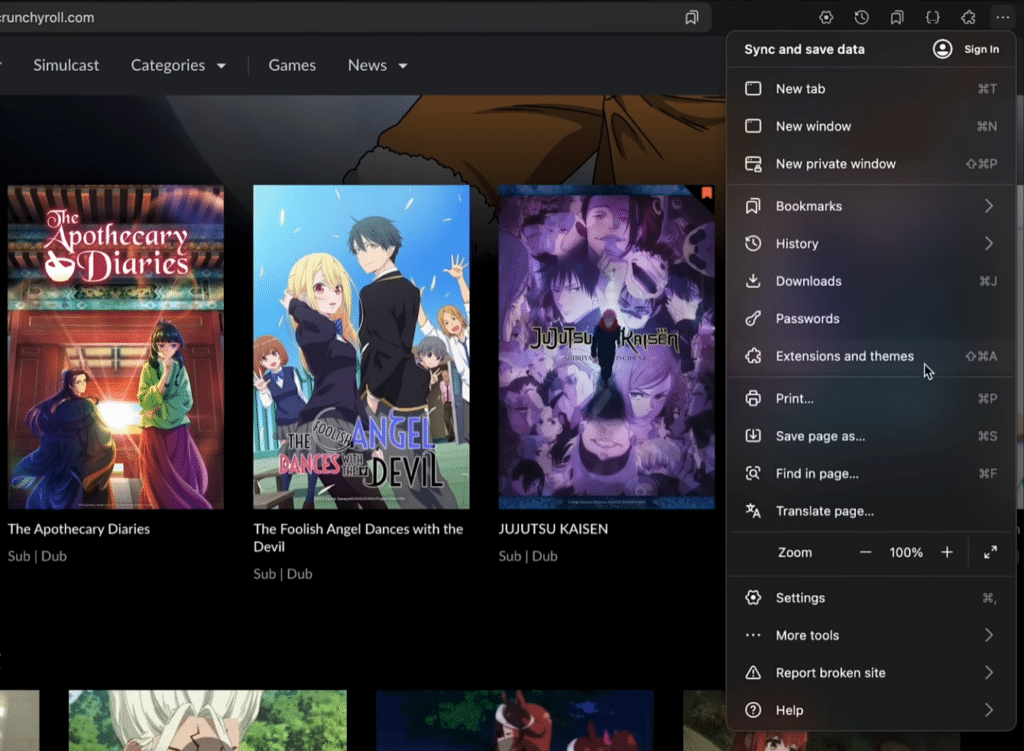
Zen Browser and Arc Browser are often mentioned together—and for good reason. Both aim to make browsing more structured and less chaotic.
Arc has long had a strong reputation for design, spaces, and a modern browsing experience, but it’s also closely tied to specific platforms and Chromium. Zen Browser feels like a more open, Firefox-based answer to the same problem.
For US users, Zen is especially appealing because it fungerer på Windows, macOS, and Linux. That makes it easier to recommend broadly than many newer niche browsers that either work best only on Mac or still lack mature builds for multiple operating systems.
Arc still feels more polished in some areas, but Zen offers something different: open source, a Firefox base, and a clear appeal to users who want more control.
Zen Browser VPN—what should you know?
One related search term is “Zen Browser VPN,” but Zen Browser isn’t primarily a VPN browser. It’s important to distinguish between privacy features in a browser and a true VPN.
Zen Browser can help with tracking protection, structure, and on-page privacy, but it doesn’t replace a VPN if you want to hide your IP address, use an encrypted tunnel on offentligt Wi-Fi, or access services via servers in other countries.
If you already use a VPN as a separate app, Zen Browser should work like any modern browser alongside your VPN connection. Just don’t download Zen Browser expecting it to provide the same protection as a full VPN service by itself.
Who should download Zen Browser?
Zen Browser is best for users who want more structure in their browsing and aren’t afraid to try something new. It’s a great fit for students, developers, writers, researchers, Linux users, Windows users who miss Arc-like features, and anyone who feels Chrome or Edge have become too heavy and noisy.
It’s less ideal if you need maximum stability, full compatibility with every Chrome extension, or a browser that feels 100% finished. Zen is still in beta, and that should factor into your decision.
But as a free browser, it’s absolutely worth a try. It’s one of the few newer browsers that genuinely feels like an attempt to improve everyday browsing—not just another Chrome with a new logo.
Top 5 Zen Browser tips
1Use the sidebar from day one
Zen Browser makes the most sense when you actually use its vertical tabs instead of trying to work like in Chrome. Move staples like email, calendar, and docs into a steadier flow.
2Separate work and personal browsing
Create dedicated areas for work, school, shopping, and entertainment. Zen becomes far more manageable—especially if you usually end up with 30 open tabs by Friday afternoon.
3Check your must-have extensions
Zen is built on Firefox, so don’t expect the same add-on flow as Chrome. Test your essentials early so you’ll quickly know whether Zen fits your day-to-day.
4Run Zen alongside your main browser
Zen Browser is still in beta. Use it as your primary test browser for a few days, but keep Chrome, Firefox, Edge, or Brave installed in case you hit a site that misbehaves.
5Pair Zen with good habits
Privacy isn’t only about the browser. Review permissions, use stærke adgangskoder, disable unnecessary notifications, and consider a separate VPN if you need IP protection.