 Martin Jørgensen
Diablo II brings back memories for many. Released in 2000, it became hugely popular among PC gamers. Its success was driven by being a sequel to the hit Diablo (Diablo 1). Both Diablo I and Diablo III are exceptionally polished action role-playing, hack-and-slash games. They also deliver a gripping, immersive story that makes your actions feel meaningful in the world around you.
As mentioned, you can download a free demo version of Diablo II here on this page. The game is developed for Windows, so if you use a Mac, unfortunately you can’t play this time.
Diablo II's success
Why has the Diablo series been so successful among PC gamers?
First, the Diablo series is incredibly well-crafted, and no matter which role you choose, you’ll quickly be absorbed by its fantastic world. Which leads to the second reason for its success.
Diablo is developed by Blizzard Entertainment, renowned for building deep, immersive worlds. Every character you meet has a compelling story, and the quests are excellently written so things never feel repetitive. The villains are interesting and plentiful. The ultimate villain is “Diablo” (the Devil).
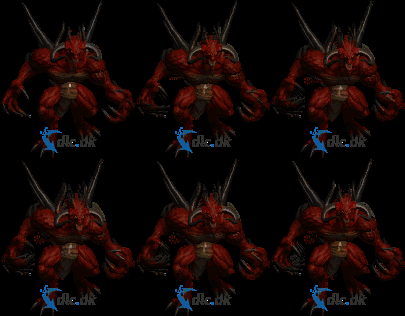
Diablo seeks to destroy the world, but before you face him, you must fight your way through his henchmen, improving your skills, armor, and of course, your weapons along the way.
Completing Diablo II
To make it through Diablo II, you’ll have to face a series of villains and their minions. The villains are typically various types of demons, and their underlings range from skeletons to terrifying giant bats. When you defeat them, there’s a chance they’ll drop gold, weapons, armor, and more.
Gold can be used to repair your current armor, buy elixirs, or purchase better weapons and armor.
Different weapons increase your damage, and armor ensures you take less damage.
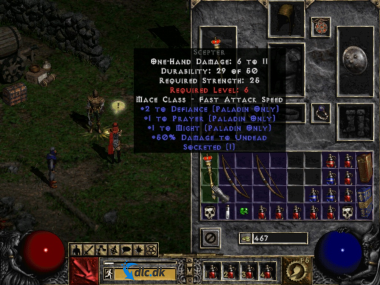
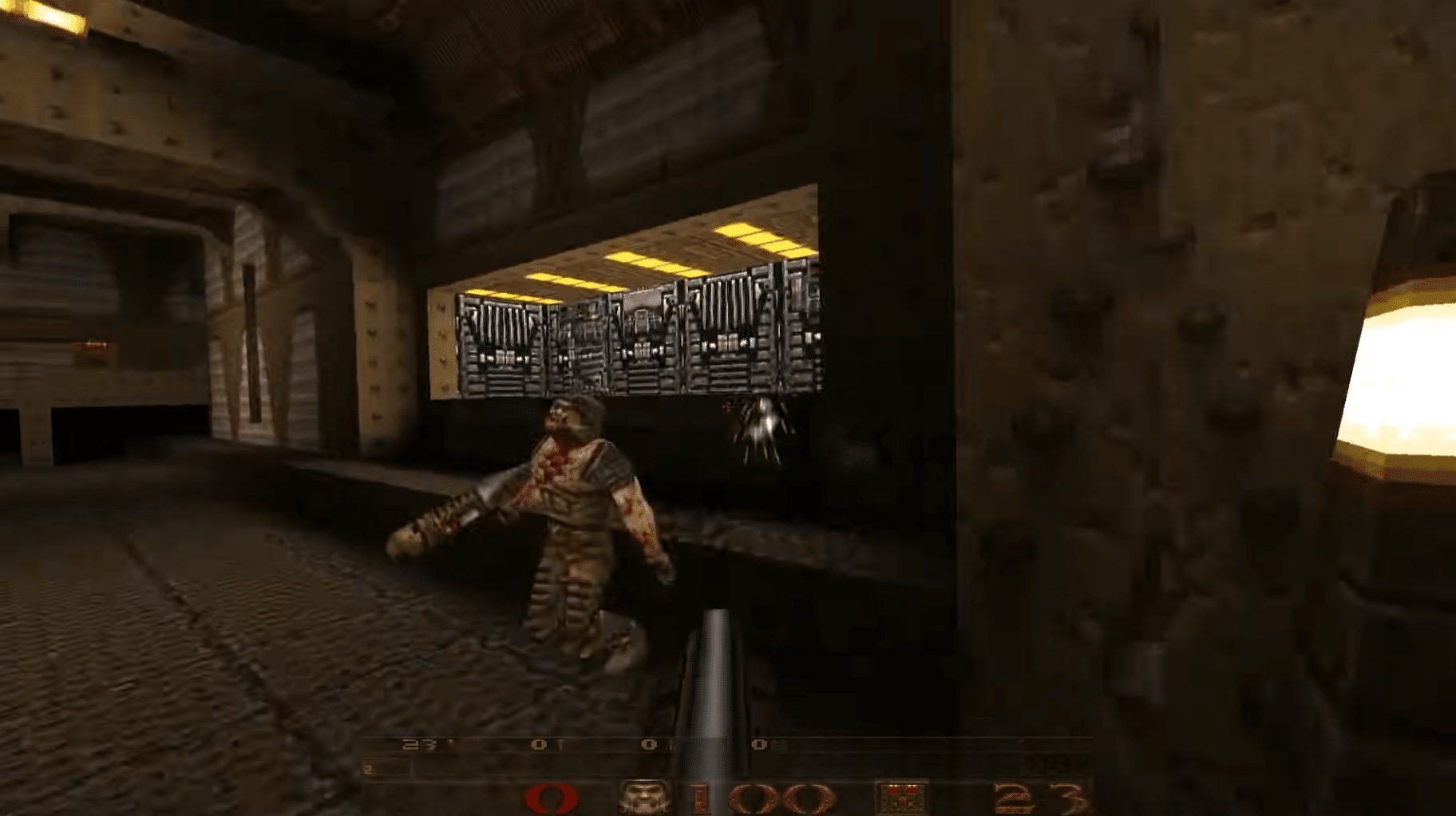
Above is an example of a character who has picked up a weapon. The weapon then goes into your inventory, where you can see if it improves on your current gear and what requirements must be met before you can use it. The higher the game’s difficulty, the better weapons and armor you can earn from defeating villains. It can therefore be an advantage to defeat the first, easier boss on a higher difficulty if you’re finding the next one hard to beat.
Villains in the game
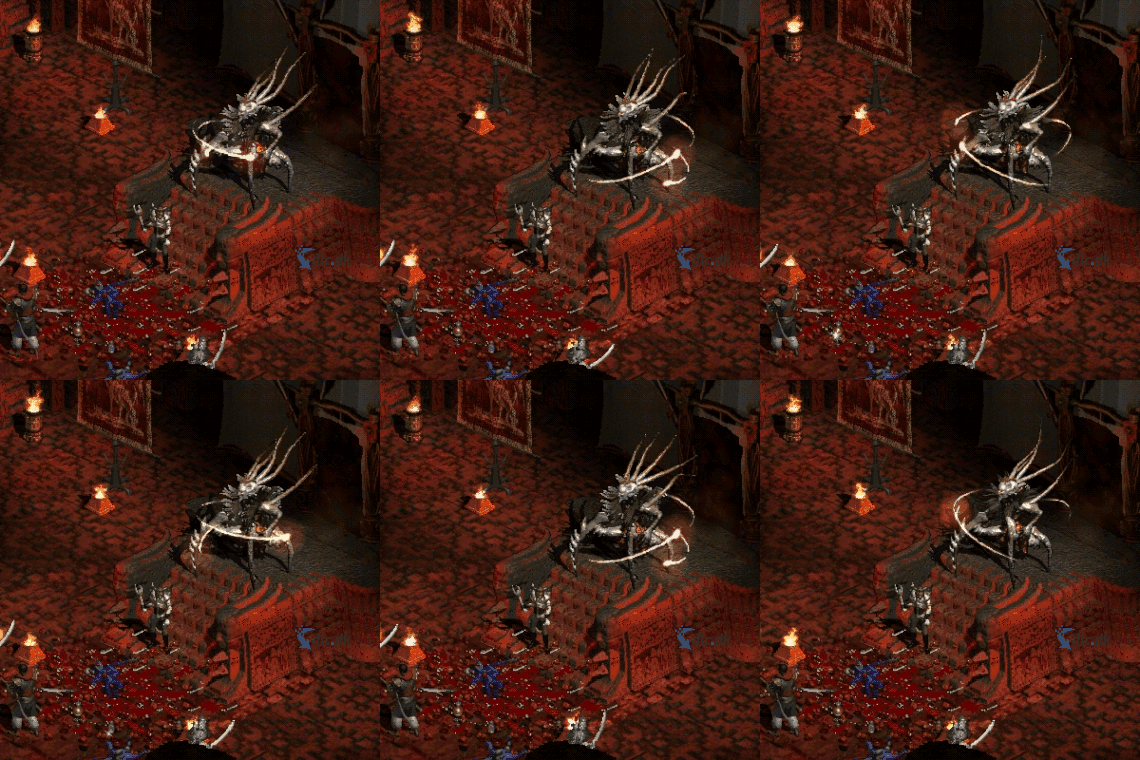
There are many different villains in Diablo II, yet they follow a similar theme: good versus evil—light versus demons. As a player, you fight for the light, and you’ll encounter villains such as:
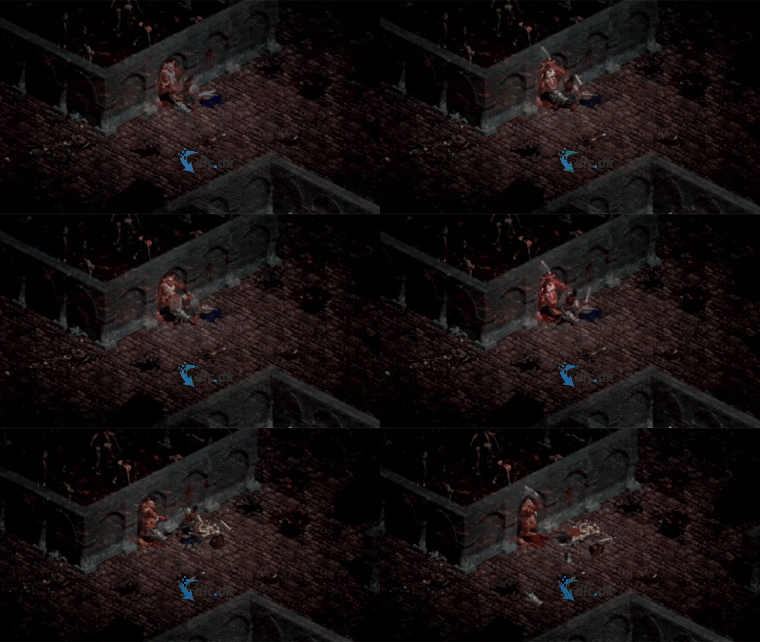
The Butcher
Duriel
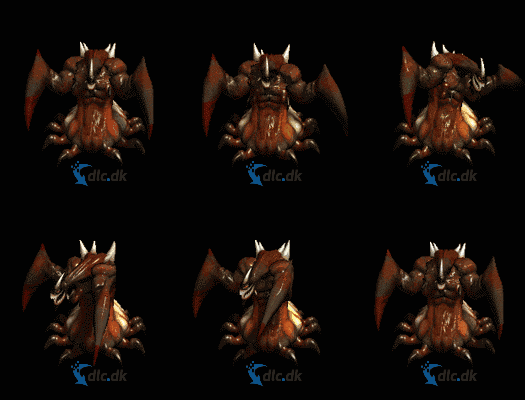
As you can see, the villains vary greatly in appearance, and the way you handle them also differs. Some are relatively easy to take on, while others require strategy and planning to defeat.
You may need to form a group, and you can also use online guide videos if you get stuck. You can always lower the difficulty a bit.
Your role and character
After downloading and installing, you must create your own character before you can start playing.
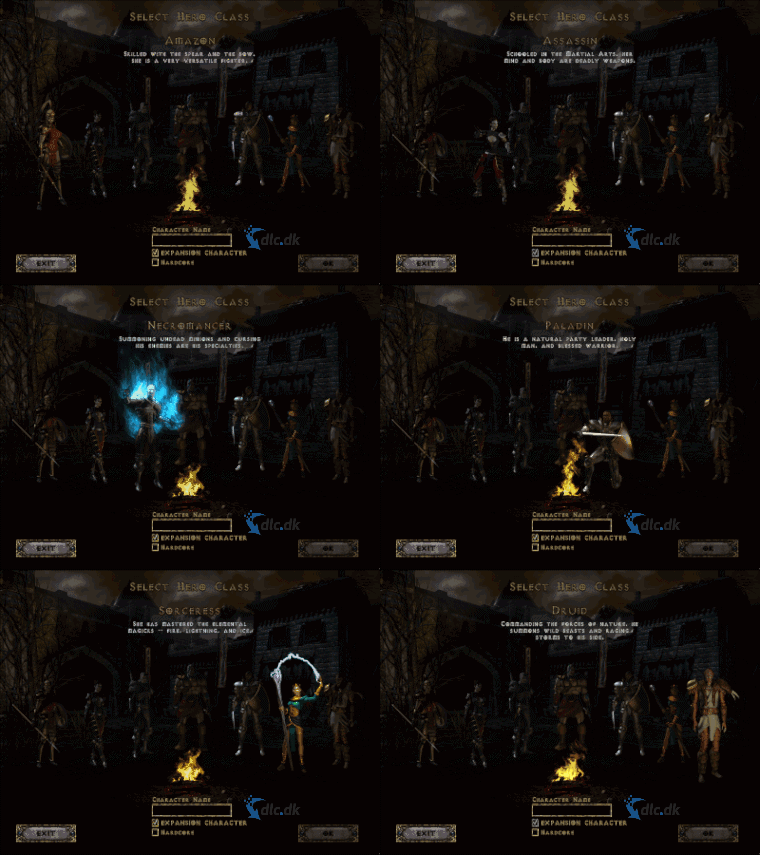
As shown above, there’s plenty to choose from, and your choice of character is very important since you’ll play through the entire game with it—though you can always try the others. The different characters and their abilities are as follows:
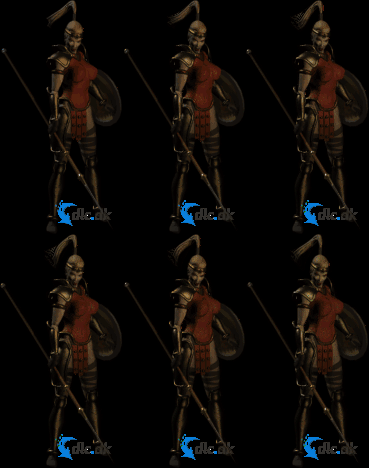
Amazon
The Amazon primarily uses spears or bows. Your attacks can deal cold and fire damage when you strike enemies.
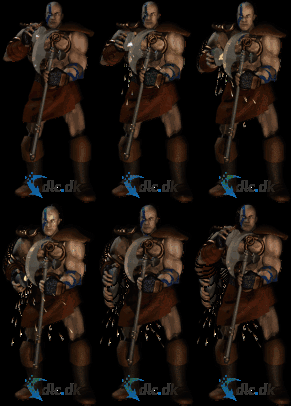
Barbarian
The Barbarian is the classic warrior, mainly wielding either large weapons or smaller weapons paired with a shield.
Necromancer
Casts magic with a focus on the dark arts. You can raise skeletons to fight for you and primarily use poison and other magical powers.
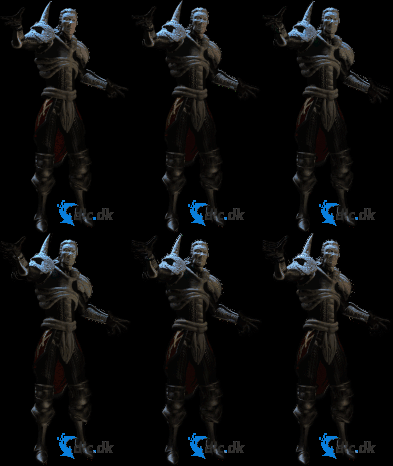
Paladin
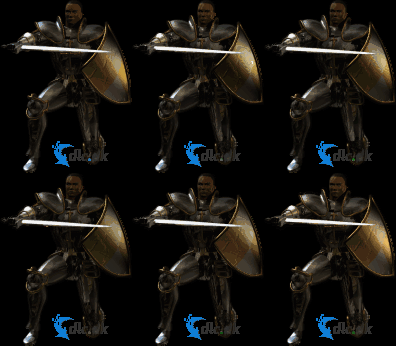
The Paladin is a holy warrior who primarily uses smaller weapons with a shield. He can imbue his weapon with light, dealing greater damage to enemies.
Sorceress
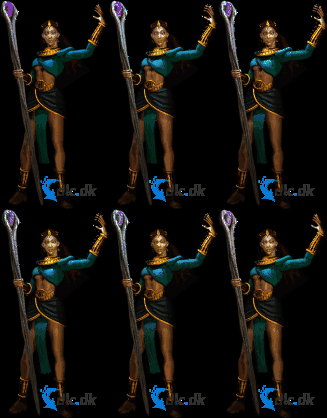
Also casts magic but does not raise the dead. Instead, she primarily uses fire, cold, and lightning for her spells.
The characters above are included in the standard version of Diablo II. You can also play two additional characters: Druid and Assassin, but these require the game’s expansion pack.
Since this is a demo version of Diablo II you can download here, you can only start by playing the Barbarian, as the others are locked. To play the other classes, you need to purchase the full version of the game.
If you’re interested, a remastered version of Diablo 2 has also just been released, called Diablo II: Resurrected.
Diablo II is a fantastic fantasy game
Diablo II is a fantastic fantasy game offering exciting and truly challenging enemies. Despite launching back in 2000, it’s still incredibly entertaining and has aged remarkably well. It might feel a bit overwhelming at first glance, but we promise you won’t regret giving it a try. The game is very deep, and there’s a lot to learn—but once it clicks, hours of entertainment await you.
Diablo II is a childhood memory for many, and it’s just as fun as when we were younger. Even if you didn’t play Diablo II as a kid, you can still enjoy it today.
Diablo II therefore gets our warm recommendation.
Download a free demo of the classic game Diablo II.
Top 5 tips for Diablo II
1. Use the Horadric Cube for more than just quest items
Most players only use the Horadric Cube to craft quest items — but it can also upgrade runes, craft powerful charms, and convert potions. For example: 3 minor health potions = 1 normal potion.
2. The Secret Cow Level — and how to open it
After killing Baal on the respective difficulty, combine a Tome of Town Portal with Wirt’s Leg in the Horadric Cube in Act I to open a portal to the Cow Level. Do it quickly — it’s packed with loot and XP!
3. Magic Find gear dramatically boosts your drops
Build a secondary set with high Magic Find (MF) — e.g., items like Nagelring or a Gull Dagger. Swap to it right before you kill bosses. It greatly increases the chance of unique and set items.
4. Lock in “super drops” via boss runs
Farm Mephisto, Baal, or Pindleskin repeatedly — but know their loot tables. Mephisto is perfect for Hell Meph runs for unique weapons. Use Waypoints and Town Portals for fast rounds.
5. Hold Shift to attack in place
Many forget that holding the Shift key lets you attack without moving. It’s crucial for archers, sorceresses, and necromancers — especially in tight spaces or when kiting enemies.