 Martin Jørgensen
Discord – Free voice chat and communities for gamers and more
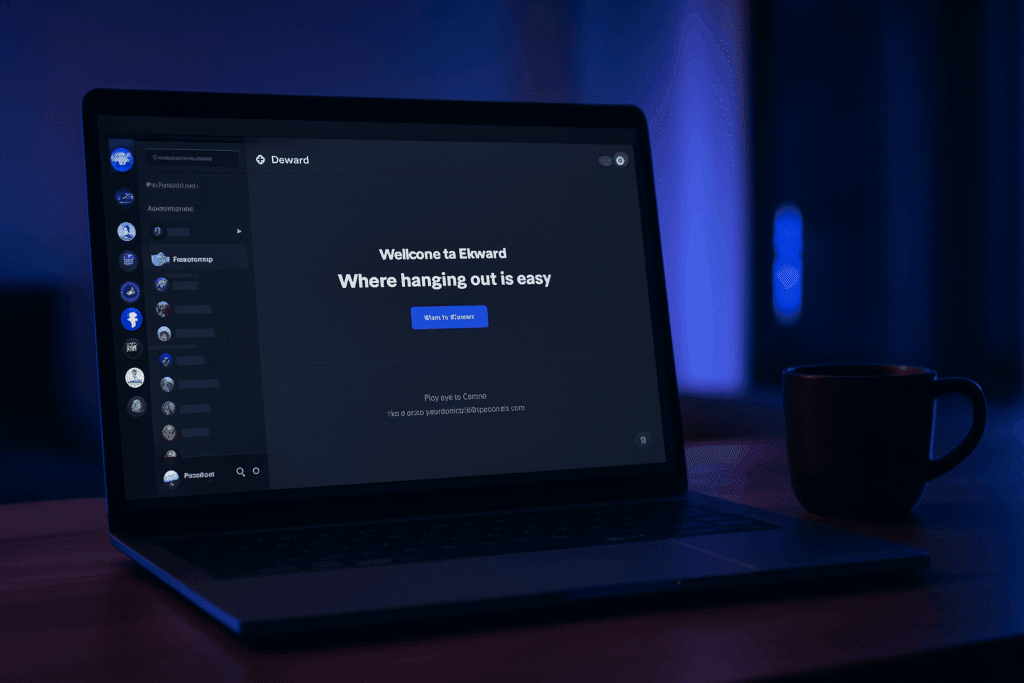
Discord is a free app for voice chat, text messaging, and communities that has taken the world by storm—especially among gamers, but today also among students, creative teams, and communities of every kind. With lightning-fast voice quality, smart features, and support across all platforms, it has become the obvious alternative to older solutions like Ventrilo and TeamSpeak.
Top 5 Discord tips
Use “Push to Talk” if you have background noise
If you’re playing with many others, or if you have keyboard and background noise, the "Push to Talk" feature can be a big help. It ensures your microphone only activates when you press a chosen key.
Use roles and permissions to organize your server
By creating different roles and assigning permissions, you can keep your server structured and avoid chaos. This makes larger communities much easier to manage.
Create custom emojis and memes
Make your server more personal and fun by adding your own emojis and animated memes. It only takes an image and a few clicks in the server settings.
Enable two-factor authentication (2FA) for extra security
To protect your account—especially if you manage large communities—you should enable 2FA. It requires an extra approval via a mobile app and makes your account far more secure.
Add bots for fun and automation
Bots like MEE6, Dyno, and Carl-bot can add moderation, entertainment, and automated messages to your server. They take only minutes to integrate and make a big difference.
Lightning-fast and free voice chat — with no limits

What sets Discord apart from earlier solutions is the combination of high audio quality and low latency—even in large group calls. There’s no limit on users in text channels and up to 100 concurrent users in voice channels. All of this is completely free to use, and you don’t need to pay to access the core features.
You can create your own server (which is essentially just a community), invite friends, and organize channels for, for example, games, projects, or study groups.
Features that make it more than a chat app

Discord isn’t just for voice chat—it’s also a social hub. You can:
- Add friends and send DMs
- Join multiple servers at the same time
- Share images, videos, and GIFs
- Use bots for music, games, and moderation
- Screen sharing and video calls
The app also has a robust roles and permissions system that makes it easy to manage large communities.
Available on all platforms — including in your browser

Discord works on:
- Windows
- macOS
- Linux
- Android
- iOS
- Xbox and PlayStation (via integrations)
If you don’t want to install anything, you can also use Discord directly in your browser—with a few limitations (e.g., no “Push to Talk”).
What about Discord Nitro?

Nitro is Discord’s paid plan, but it’s completely optional. You get:
- More emojis and higher upload limits
- Animated avatars
- Server boosts for your favorite communities
For most users, the free version is more than enough.
Popular with gamers — but not only
Discord was originally built for gamers, but today it’s used by everything from classrooms and developer teams to online fandoms and hobby communities. For example, you can find:
Coding clubs
Minecraft communities
Reading groups
Study groups
Music communities
Tip: How to hide your Discord server or specific channels
If you want to make your Discord server more private or hide certain parts from specific users, Discord has powerful role and permission settings.
Make your server private (invite via link only)
When you create a server, it’s not public by default. To ensure only invited people can join:
- Go to your server → click the server name → choose Server Settings.
- Under User Permissions, remove “@everyone” access to channels.
- Create an invite and share it manually.
Hide specific channels from selected users
Want a channel to be visible only to certain roles?
- Right-click the channel → Edit Channel → Permissions.
- Disable “View Channel” for @everyone.
- Grant access to a specific role (e.g., "Moderator").
This hides the channel completely from users without that role.
Use "Invisible" status to be online without being seen
If you want to be present without being disturbed:
- Click your profile picture in the bottom left.
- Select Invisible—you’ll appear offline, but you can still read and post.
Create secret servers for small communities
If you want fully hidden access (e.g., for study groups or internal planning), then:
- Disable invitations via discovery or QR code.
- Make all roles and channels private.
- Use one-time invite links only.