 Martin Jørgensen
Myst IV: Revelation is still one of the most atmospheric puzzle classics
Myst IV: Revelation is a first-person adventure and puzzle game where you explore mysterious ages, solve mechanical contraptions, and slowly uncover the truth about Atrus’s family.
We tested Myst IV: Revelation on a Windows 11 PC and, while the game clearly hails from another era, it’s still surprisingly easy to get drawn into its slow, mesmerizing flow. There’s no minimap, no constant chatter, and no modern action beats pushing you along. Instead, you stand still, listen, look, take notes, and try to understand why a door, a machine, or a symbol responds the way it does.
That’s exactly what makes Myst IV: Revelation compelling today. It’s not a game you rush through. It feels like sitting with an old notebook, a pair of headphones, and a cup of coffee on a quiet afternoon while you try to crack a puzzle that only clicks after ten minutes staring at a strange mechanism.
A darker continuation of the Myst universe
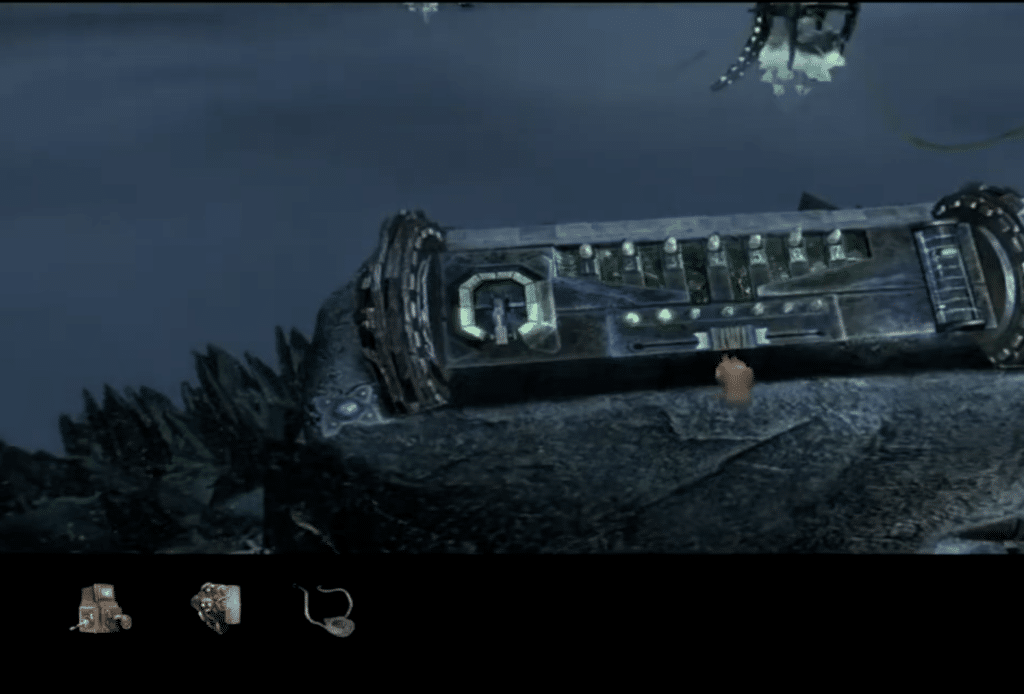
In Myst IV: Revelation, you’re pulled back into the story of Atrus, his family, and the two infamous brothers Sirrus and Achenar. The game revolves around secrets, captivity, and the question of whether people can truly change.
The tone is darker than in many classic adventure games. There are still gorgeous vistas and an almost meditative calm, but there’s a constant unease just under the surface. The empty rooms, old books, and subtle environmental clues make the world feel lived-in—just not necessarily safe.
The puzzles require patience
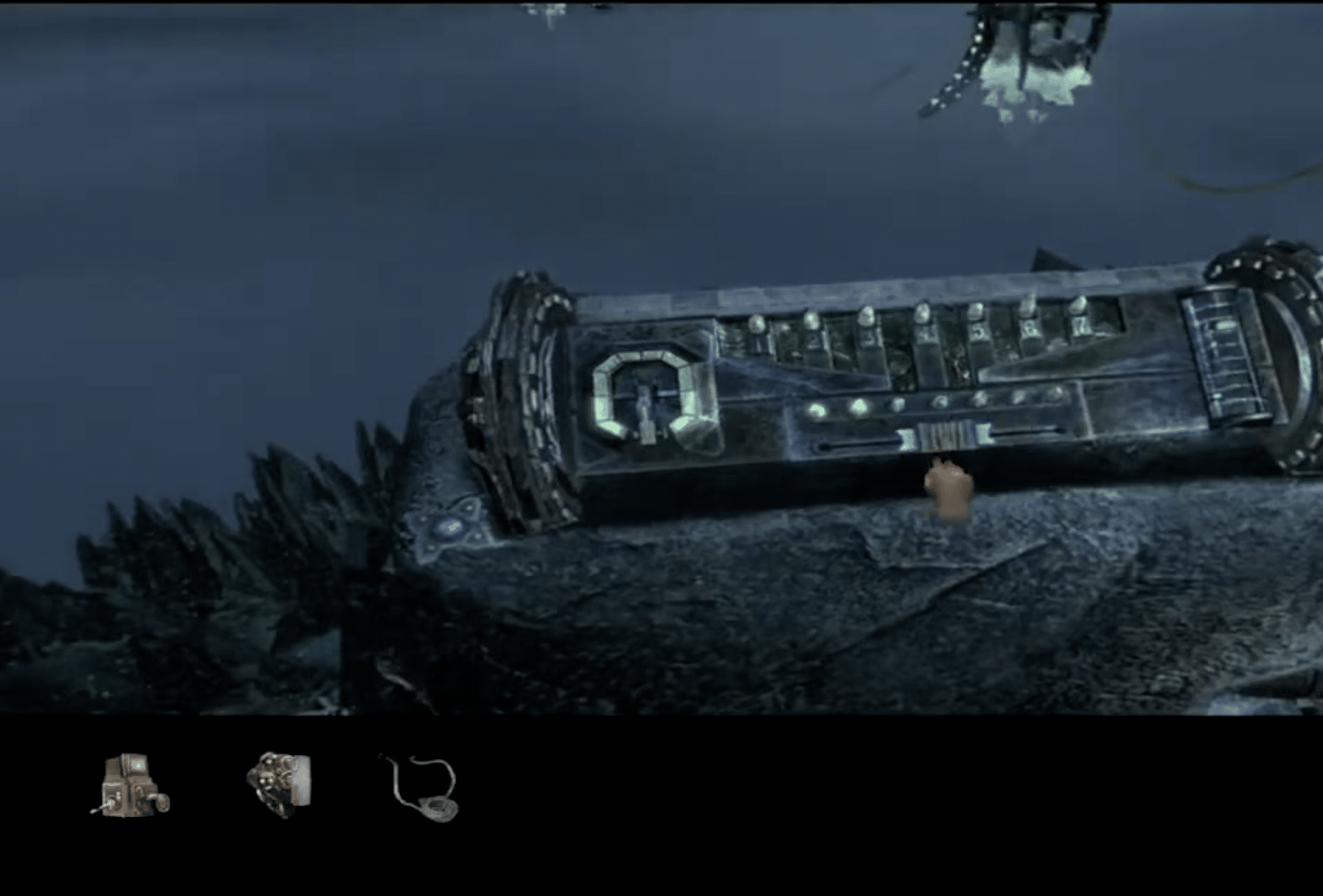
Myst IV: Revelation isn’t for players who want a hint after 20 seconds. The puzzles lean on observation, pattern recognition, and understanding the world’s internal logic. More than once, the solution arrived only when we stopped clicking randomly and started thinking about what the environment was actually trying to tell us.
It’s incredibly satisfying when a mechanism finally clicks into place. On the flip side, the game can be frustrating—especially if you miss a small detail or forget to note a key clue. The built-in journal and ability to save clues help, but Myst IV: Revelation is still old-school in the best—and sometimes toughest—way.
Graphics and audio still impress
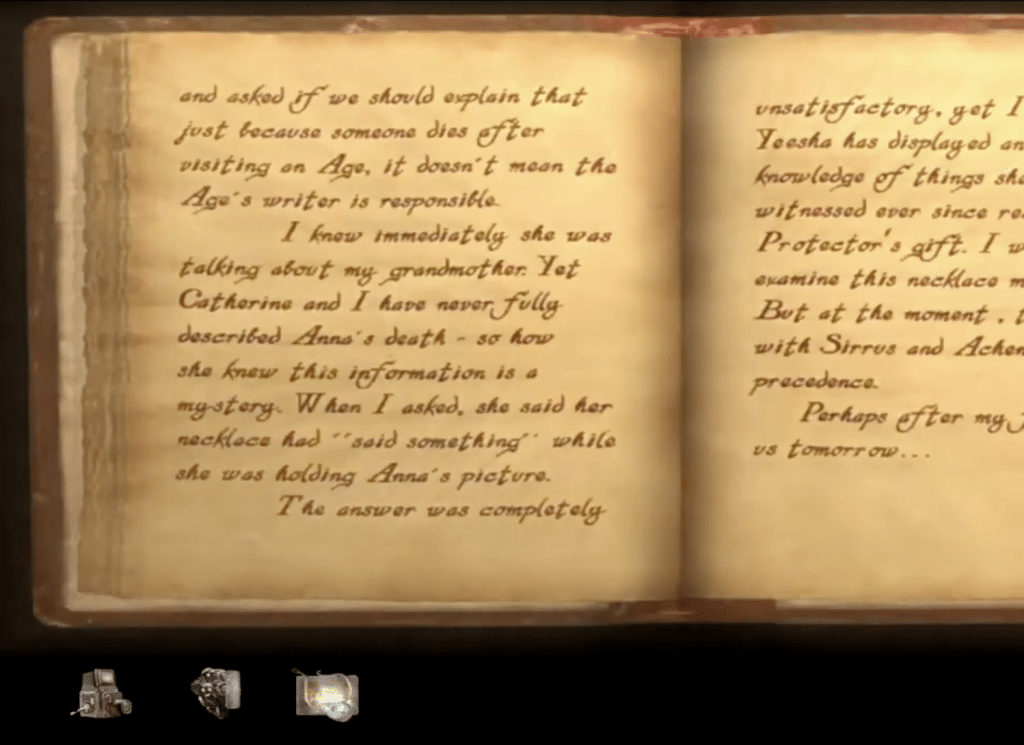
Visually, Myst IV: Revelation isn’t modern, but its pre-rendered environments still have charm. Many scenes have a painterly quality where light, color, and detail create a strong sense of place. It’s not realistic by today’s standards, but it is atmospheric.
Audio is a huge part of the experience. Ambient sounds, machinery, voices, and music build a calm yet tense atmosphere. In our tests we played with headphones, and it’s absolutely recommended. You’ll pick up far more details, and the game’s measured rhythm works better when you shut the outside world out.
Controls and pace feel old-school
The biggest drawback is the movement and pacing. Myst IV: Revelation was built for a style of adventure where you accept slow navigation and fixed viewpoints. It works when you’re in the right mood, but new players may find it sluggish.
Some transitions and interactions also feel a bit clunky today. Not deal-breakers, but you can feel the game’s age. If you’re used to modern puzzle games with smooth movement and clear feedback systems, Myst IV: Revelation takes a little adjustment.
Download Myst IV: Revelation
Download Myst IV: Revelation from an official store. We recommend the GOG version because it’s DRM-free and typically the easiest way to play this classic on a modern PC.
Top 5 tips for Myst IV: Revelation
Write down more than you think you need
Myst IV: Revelation rewards note-takers. Symbols, sounds, sequences, and tiny visual details may matter later—keep pen and paper next to your screen.
Play with headphones
The soundscape is a big part of the mood. Headphones make it easier to catch small details and give Myst IV the calm, almost claustrophobic atmosphere it thrives on.
Don’t brute-force the puzzles
It’s tempting to click through everything, but the game is far better when you understand the logic behind the machines. The solution is often closer than it seems.
Use the built-in journal actively
The in-game journal and camera aren’t just decoration. Use them to save clues—especially if you play in short sessions and don’t want to lose your place.
Take breaks when you’re stuck
Some of the best moments happen when you come back after a break and suddenly see the answer. Myst IV isn’t designed for stress—it’s designed for immersion.