 Martin Jørgensen
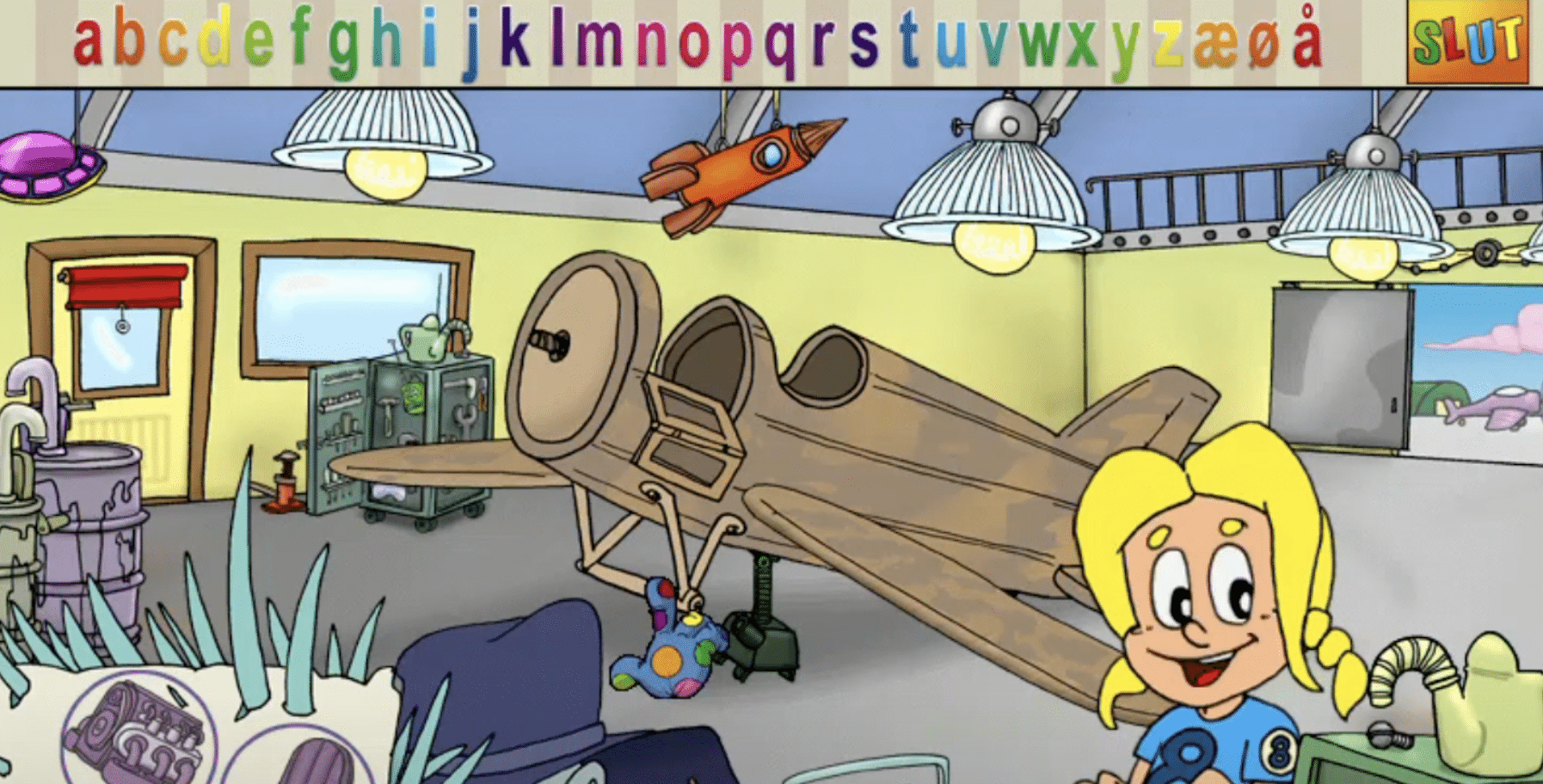
The Pixeline Skolehjælp series is one of the most popular Danish game collections for children, created to combine play and learning. The games were especially common in Danish homes and schools in the 2000s, covering subjects like Danish, math, English, science, and more.
We tested several of the games via an emulator on a modern Windows 11 PC and found they can still serve as fun, educational tools—even if the graphics are simple and the technology feels a bit dated.
What is Pixeline Skolehjælp?
Launched in 2005, the series consists of standalone games where Pixeline takes children on adventures while teaching core school subjects. Instead of dry exercises, the learning is wrapped in small missions, quizzes, and mini-games so kids can learn by playing.
The most well-known titles in the series
Here are some of the most important Pixeline Skolehjælp games that are still worth knowing:
- Dansk – Pixeline får det sidste ord
Focus on reading, vocabulary, and spelling. - Matematik – Pixeline regner den ud
Practice the four basic operations with fun, game-like tasks. - Engelsk – My Name is Pixeline
Introduction to English through everyday situations. - Naturfag – Gennem ild og vand
Fun experiments and assignments about nature and the elements. - Dansk 2 – Bogstavjunglen
More advanced Danish with letter games and spelling practice. - Engelsk 2 – Pixeline goes to London
A travel adventure in London with English as the working language. - Trafiksikker – Pixelines skolevej
Teaches children about traffic rules, bike safety, and responsibility. - Lær at læse – Det magiske bibliotek
Classic reading practice wrapped in an adventure. - Geografi – Danmark på spil
A quiz and exploration game about Denmark’s cities, regions, and nature. - Kroppen – Rejsen til kroppens indre
A tour of the human body explained at a child’s level.
Why are they still relevant?
Even though many kids today use tablets and apps, Pixeline Skolehjælp is still valuable:
✅ Game-based learning makes lessons more fun
✅ Fully in Danish—easy for children to understand
✅ No ads or in-app purchases
✅ Nostalgic value for parents who played them themselves
In our testing, children quickly grasped the point of the tasks—especially because everything is explained through images, voiceover, and short stories.
Challenges today
The biggest hurdle is compatibility. The games were made for Windows XP/Vista and often require an emulator (e.g., VirtualBox or DOSBox) to run on modern systems. So parents need a bit of technical know-how.
In addition, the games are no longer commercially available—but many exist as abandonware or have been archived, including on Archive.org.
Top 5 tips for Pixeline Skolehjælp
Choose the subject the child needs most—such as Danish or math. It provides a better starting point and prevents overwhelm from too many choices at once.
Most games in the series use spoken instructions. A headset helps the child focus and understand tasks more clearly without background noise.
Learning works best in small chunks. Let the child play for 15–20 minutes at a time to maintain focus and make learning more effective.
Many Pixeline Skolehjælp games let you create profiles or save. Use this actively so the child can see their own progress and stay motivated.
Help the child transfer what they learn in the game to real life. If the game is about arithmetic, do a few quick math problems together afterward—it reinforces learning.