 Martin Jørgensen
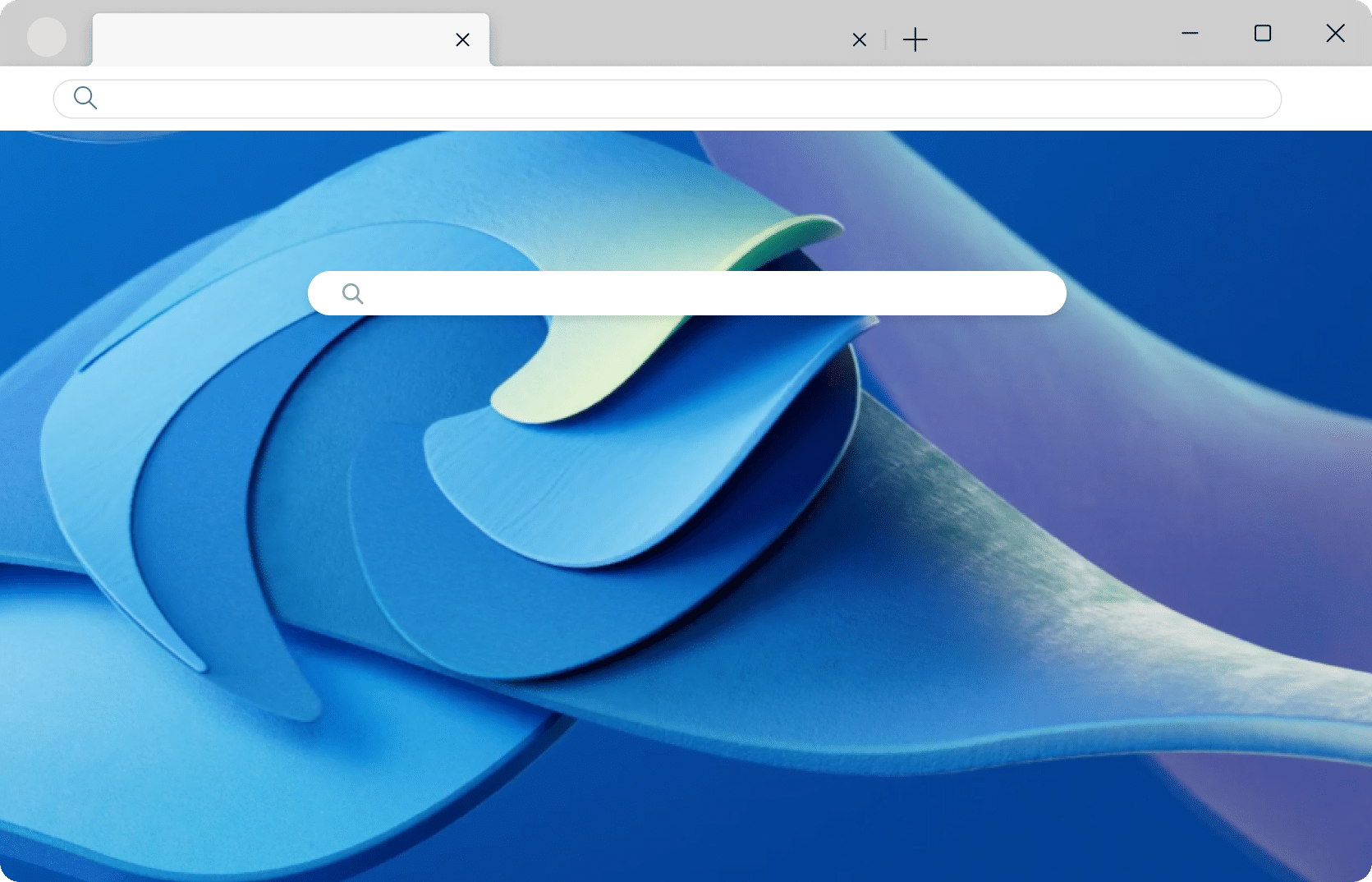
Microsoft Edge – fast, secure, and integrated browser from Microsoft
Microsoft Edge is the default browser in Windows 11, but it has evolved significantly and is now one of the fastest and most secure browsers on the market. We tested the latest version on a typical Windows 11 PC, and Edge impressed us with high speed, low resource usage, and a set of smart features that make it a real alternative to Google Chrome.
What is Microsoft Edge?

Microsoft Edge is built on the open 1 engine — the same technology as Chrome — but Microsoft has added a number of unique improvements: better battery life, tight integration with Windows, and AI features like Copilot and Read Aloud.
Edge is also 100% free and available for Windows, macOS, Android, and iOS.
Features and user experience

Edge loads pages quickly and uses fewer resources than many competitors. In our test, Edge handled 20+ tabs without noticeably affecting performance.
The browser also includes a number of handy tools:
💡 Collections: Save and organize web research by topic (ideal for students or professionals).
🔒 Security: Built-in protection against phishing, unsafe downloads, and third-party tracking.
🧩 Extensions: Compatible with both the Microsoft Store and the Chrome Web Store.
🤖 Copilot integration: Chat with AI directly in the browser for quick answers, writing, or summaries.
🗂️ Vertical tabs: Keep lots of open sites organized with a single click.
Privacy and security

Microsoft has worked hard to improve privacy features. You can choose between three protection levels (“Basic,” “Balanced,” and “Strict”) and automatically block trackers from websites.
Edge also syncs your bookmarks, passwords, and history securely through your Microsoft account — with optional two-step verification.
Edge vs Chrome vs Firefox

During our testing, we compared Edge directly with Chrome and Firefox:
- Edge used up to 15% less RAM than Chrome.
- Firefox still had an advantage with privacy add-ons but was a bit slower.
- Chrome offered the most integrations, but Edge felt faster at startup and scrolling.
For many Windows users, Edge now delivers the best balance of performance, privacy, and integration.
Our test on Windows 11

We tested the latest version of Microsoft Edge (v129) on Windows 11 Pro with 16 GB of RAM and a standard SSD. Installation took under 30 seconds, and there were no ads, toolbars, or unwanted software — a clear plus compared to many other free browsers.
On first launch we were greeted by a clean, modern interface focused on speed. Edge opened in under a second, and our measurements showed it used on average 15–25% less RAM than Google Chrome with the same number of open tabs. You especially notice this on laptops, where the fan remained nearly silent even while streaming and multitasking.
We played 4K video on YouTube, worked in Office 365, and tested the Copilot assistant at the same time — without stuttering, delays, or crashes. In our stress test with 25 open tabs, Edge stayed stable and responsive throughout.
The browser also performed better than Firefox in the Speedometer 3.0 benchmark, scoring 8% higher.
One thing we especially noticed was battery life on our laptop. Edge lasted 35 minutes longer than Chrome on the same machine, making it ideal for students and professionals on the go.
The combination of low resource usage, fast startup, and AI integration makes Edge one of the most complete browser experiences on the market in 2026.
Frequently asked questions about Edge
Top 5 tips for Microsoft Edge
Use Collections for research
Save links, images, and notes directly into Collections — perfect for school projects or travel planning.
Enable vertical tabs
Click the Vertical tabs icon to make navigating lots of websites much easier.
Turn on efficiency mode
Under “Settings > System and performance,” enable efficiency mode to save battery on laptops.
Try Copilot in the browser
Click the Copilot icon in the top-right corner for AI help directly on the page you’re viewing.
Sync Edge across all your devices
Sign in with your Microsoft account so your history, tabs, and passwords are ready everywhere — including on your phone.