 Martin Jørgensen
Microsoft OneDrive – secure file sharing and cloud storage
Microsoft OneDrive is one of the most popular cloud storage services in Denmark, and for good reason. We tested it on a standard Windows 11 PC as well as the iOS and Android apps, and experienced fast, hassle-free synchronization across all devices.

OneDrive is ideal for both personal and work use, combining security, ease of use, and built‑in integration with Microsoft’s Office suite.
Features and capabilities
OneDrive isn’t just a digital hard drive in the cloud—it’s a complete solution for backup, collaboration, and everyday productivity. In our tests across Windows 11, iOS, and Android, we tried most features and found the system far more cohesive than many competitors.
- Secure cloud storage
We uploaded both large video files and smaller documents, and everything was stored encrypted on Microsoft’s servers with no noticeable delay. It’s reassuring that extra layers of protection against data loss are built in. - Automatic synchronization
On our test machine (Windows 11), files synced to the phone almost instantly. We placed a presentation in a folder on the PC, and a few seconds later it was available on the phone. - Offline access
We marked an entire folder for offline use on the phone. We turned off Wi‑Fi to test it, and the documents were still available—the changes synced immediately once we were back online. - Folder and document sharing
We shared a project folder with internal colleagues and an external partner. It worked without issues, and we could control who could edit and who had view‑only access. - Version history and restore
We tested versioning on a Word document where a colleague deleted half the content. With a few clicks, we restored the original version. It took under 10 seconds. - Real‑time collaboration
In our test of an Excel workbook with four participants in different locations, changes appeared almost instantly. No duplicate versions or conflicts—it felt like sitting at the same table. - Automatic backup from mobile
We enabled automatic photo upload on an Android phone. Every new photo landed in the OneDrive folder a few seconds after it was taken—no action needed. - Built‑in document scanner
Using the app’s scanner, we captured receipts and saved them directly as PDFs in the cloud. The quality was surprisingly good, and the text was clear even without manual edits.
In our overall testing, the collaboration and sharing features impressed us most. We created an Excel sheet and shared it with several colleagues—no one experienced crashes or errors. When we shared photos via a link, even recipients without a Microsoft account could open and view the content directly in their browser.
All in all, OneDrive stands out as one of the most complete tools on the market—both for private users who want to safeguard their memories and for professional teams collaborating across locations.
Interface and design

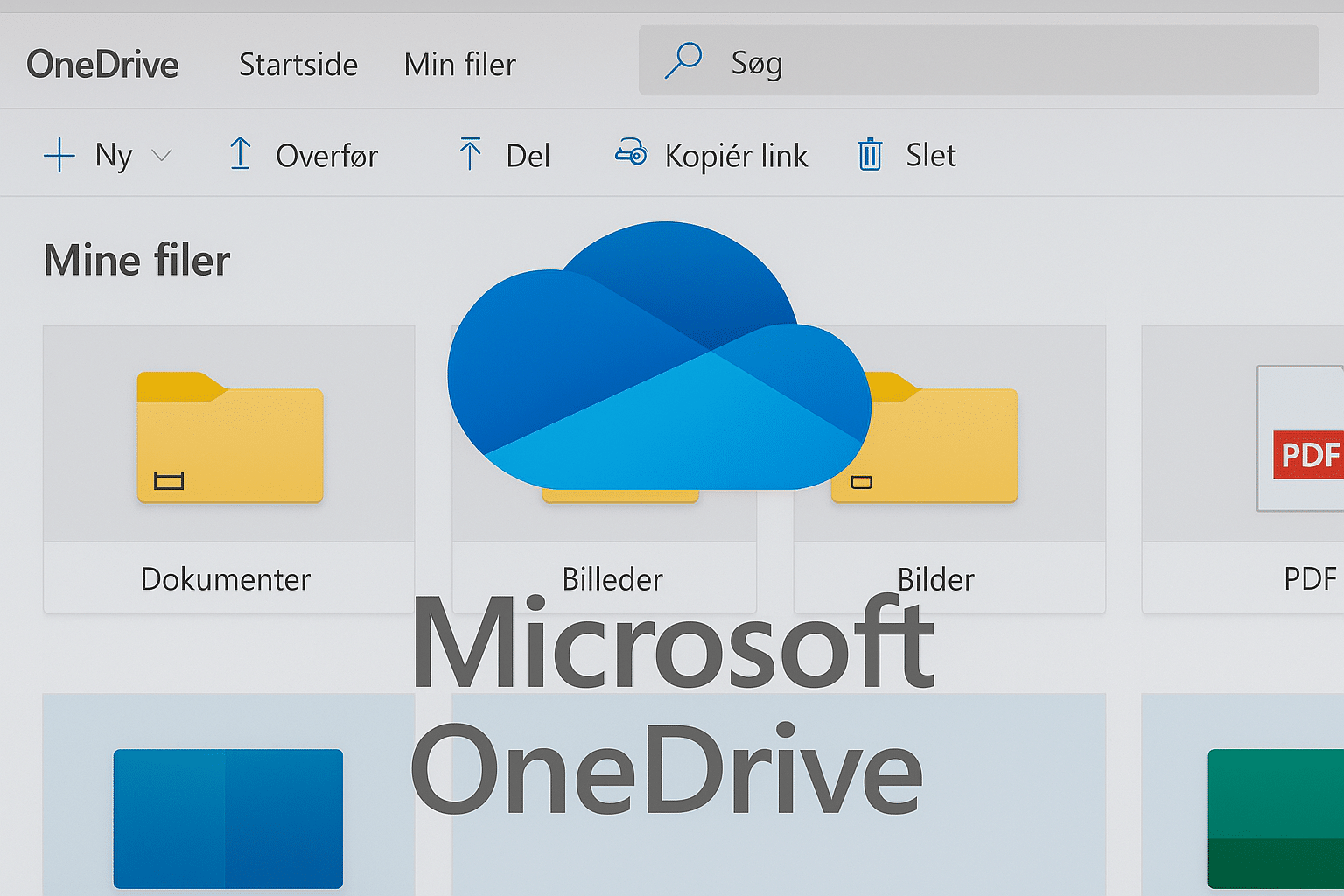
Microsoft has stuck to its familiar design style with large icons, clear menus, and a layout that mirrors the rest of the Office suite. That means new users can find their way around quickly.
On the PC, integration with File Explorer feels natural—OneDrive appears as a regular folder where files sync automatically. On mobile, the app is more minimalist but still easy to navigate.
Collaboration and productivity

One of OneDrive’s strongest advantages is collaboration. We tested the online versions of Word and PowerPoint in the browser, and they’re very similar to the desktop versions. Multiple people can work in the same document in real time, making it ideal for group work or project teams.
Comparison with Google Drive and Dropbox

When it comes to operating system support, the differences are small—but in practice, the experience can vary:
- OneDrive
We found OneDrive to be best integrated with Windows because it’s part of Microsoft’s ecosystem. Folders show up directly in File Explorer, and it almost feels like working locally. On mobile (iOS and Android), OneDrive runs smoothly, and its strengths really shine alongside the Office apps. - Google Drive
Google Drive is, on paper, just as widely supported, but we found the integration with Android phones better than on iOS. On Windows and macOS, it requires a separate Drive app that doesn’t feel as integrated as OneDrive in Windows. On the other hand, the collaboration suite (Docs, Sheets, and Slides) is extremely strong, especially in the browser. - Dropbox
Dropbox is known for being extremely lightweight and works almost the same across all platforms—Windows, macOS, iOS, and Android. We found the app started faster than both OneDrive and Google Drive, but the built‑in collaboration tools aren’t at the same level. You often need third‑party apps.
Our test conclusion is that:
- OneDrive wins on Windows integration and collaboration via Office.
- Google Drive wins on browser‑based collaboration and Android integration.
- Dropbox wins on simple, fast syncing across all devices.
Top 5 questions about OneDrive
Yes, OneDrive offers 5 GB of free storage for anyone with a Microsoft account. If you need more space, you can upgrade to a paid plan or get 1 TB via Microsoft 365.
You can mark specific folders or files for offline use. They’re stored locally on your device, and changes sync automatically the next time you’re online.
Yes, you can generate a link to your file or folder. Recipients can access the content directly in their browser—even without a Microsoft account.
OneDrive uses encryption both in transit and at rest. You can also enable two‑step verification for extra protection.
OneDrive works on Windows, macOS, iOS, and Android. You can also access your files via a web browser on any device.