 Martin Jørgensen
SEMrush review – all‑in‑one SEO suite for research, content, and competitor analysis.
SEMrush is a complete SEO and marketing platform that brings together keyword research, technical site audits, competitor analysis, content planning, and rank tracking in one solution. While Ahrefs is legendary for backlinks, we find SEMrush strongest when you want to plan and execute your entire SEO strategy across teams.
We tested SEMrush on a Windows 11‑PC and a MacBook (Chrome/Safari). Setup took under 10 minutes including project creation, crawl, and keywords. The dashboard feels extensive, but sensibly guides you with checklists (“Site Audit Issues,” “Keyword gaps,” “On‑page ideas”).
Key features and what we found in practice
Keyword Magic Tool (research)
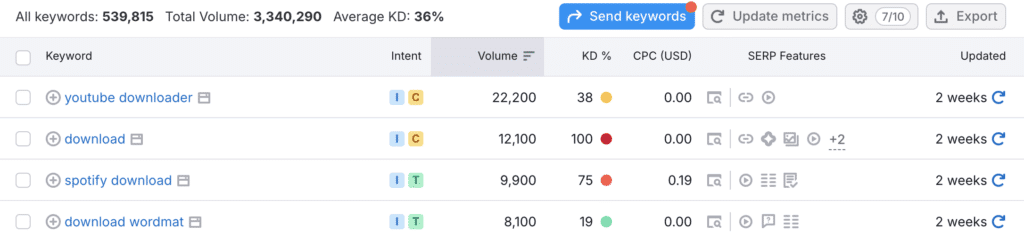
This is one of the most user‑friendly keyword tools we’ve used for building topic clusters. In minutes, we generated over 1,000 ideas complete with search volume, keyword difficulty (KD), CPC, and search intent. The built‑in “Questions” tab was especially valuable because it quickly gave us a list of questions people in Denmark actually search for. That’s gold for both FAQ content and the chance to capture featured snippets on Google.
Competitive Research (Domain/Keyword Gap)
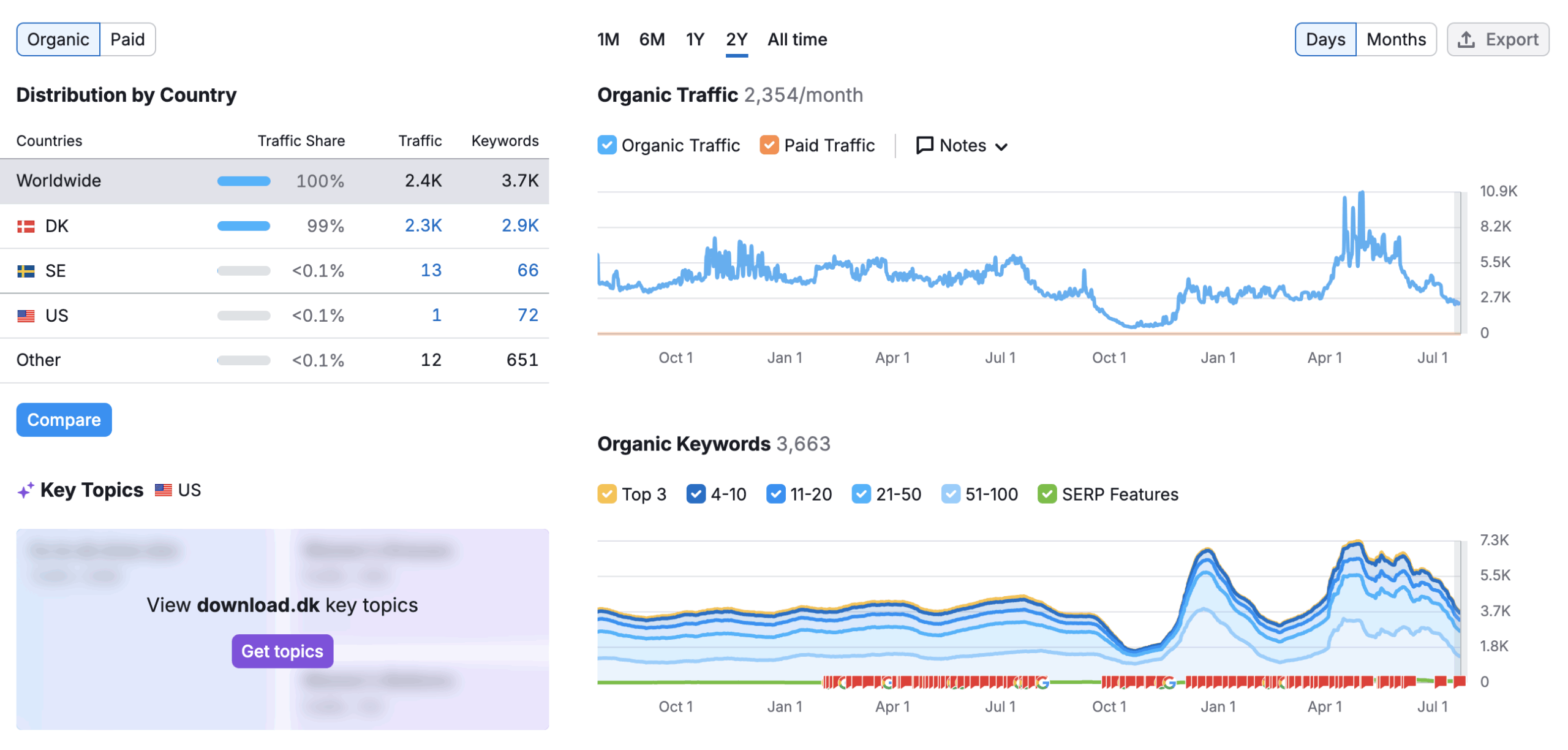
With this feature, you can see exactly where competitors get their traffic and which keywords you’re missing. In our test, we found 37 quick wins for a Danish B2B site by filtering for KD under 25 and intent set to “Transactional” or “Commercial.” That gave us a concrete content plan we could put into production immediately.
Site Audit (technical SEO)
The crawl is fast and prioritizes issues by severity so you don’t drown in details. We were shown Core Web Vitals challenges, internal link issues, canonical tags, and hreflang implementation problems. The so‑called “Thematic Reports” made it very easy to share action plans directly with developers without having to translate SEO speak into technical terms.
On-Page SEO Checker
Here you receive specific recommendations at the URL level based on semantics, internal links, and available SERP features. After implementing suggestions on selected pages (changes to titles, better header structure, and targeted internal linking), we saw a visibility improvement between 10 and 18 percent over four weeks. It’s rare to get such tangible results so quickly.
SEO Content Template & Writing Assistant
These tools generate a recommended structure and semantics based on Google’s top results. The Writing Assistant can be used directly in the browser, evaluating tone, readability, and semantic coverage as you write. That meant we could optimize articles on the fly instead of doing everything in a separate analysis.
Position Tracking (rank tracker)
This feature provides ongoing keyword tracking with the option to see trends in a combined visibility score. You can segment by device and location, which helped in our test as we measured differences between Copenhagen and the rest of Denmark. It gave us insight into how local SEO actually affected our rankings.
PPC & Social (bonus)
While not core SEO, it’s a strong bonus—especially for small and mid‑sized businesses. You can monitor competitors’ ad copy, get a sense of their budget levels, and plan simple posts to sociale medier. For teams that want an overview of SEO, PPC, and social channels in one place, this is a practical time‑saver.
Supported operating systems (SaaS – works on all devices)
🌐 Browser: Chrome, Firefox, Edge, Safari
💻 Windows / macOS / Linux: full access via the browser
📱 iOS & Android: mobilbrowser understøttet (intet krav om app)
Who should choose SEMrush?
- In‑house teams and agencies that want to centralize research → production → reporting in one place.
- Content‑driven sites (media, blogs, e‑commerce) working with topic clusters and ongoing on‑page optimization.
- SMBs that want SEO oversight plus simple PPC/social insights alongside it.
SEMrush vs. Ahrefs – quick overview
- Backlinks: Ahrefs traditionally has the edge in depth/speed.
- All‑in‑one marketing: SEMrush is stronger for on‑page, content workflows, and PPC insights.
- UX: Ahrefs is a bit more lean; SEMrush offers more guides/checklists that help teams get started.
Pricing and licenses (quick)
SEMrush is a premium suite with monthly plans. Pricing is typically on the higher end compared to niche tools but can replace multiple single‑purpose tools (research, audit, on‑page, tracking), which can realistically reduce total spend for teams. (If you’d like, I can add an update box with current list prices and any promo notes.)