 Martin Jørgensen
SimCity 3000 – a classic city builder with depth that still holds up
SimCity 3000 is an iconic city simulation game where, as mayor, you build and run a metropolis from the ground up. It’s known for its deep economy, long-term planning, and the way even small choices can have big consequences over time.
Even decades later, it’s still one of the most refined city-building games ever — and a better choice than many newer alternatives if you value strategy over speed.
Gameplay and features
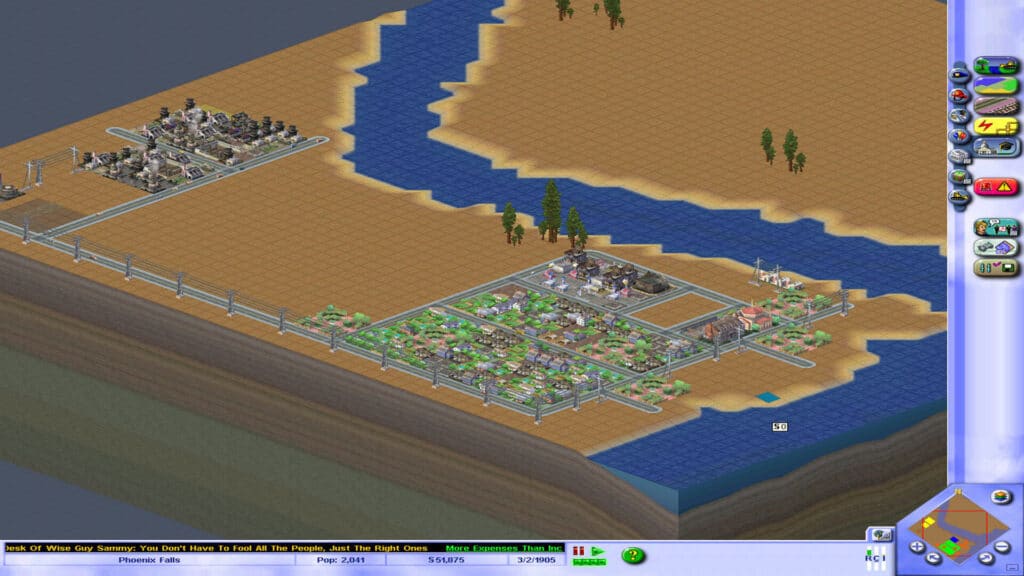
Gameplay in SimCity 3000 is all about balance. You start with a blank map and a tight budget, and you must zone residential, commercial, and industrial areas while providing power, water, police, fire services, and transportation.
We tested the game on a standard Windows 11 PC, and it ran smoothly without technical issues. The pacing is slow and methodical, giving you time to think and tweak — something you rarely see in modern city simulators.
Citizens respond clearly to your decisions. High taxes cause dissatisfaction, poor infrastructure leads to traffic jams, and bad planning can cripple your economy years down the line.
Graphics and sound
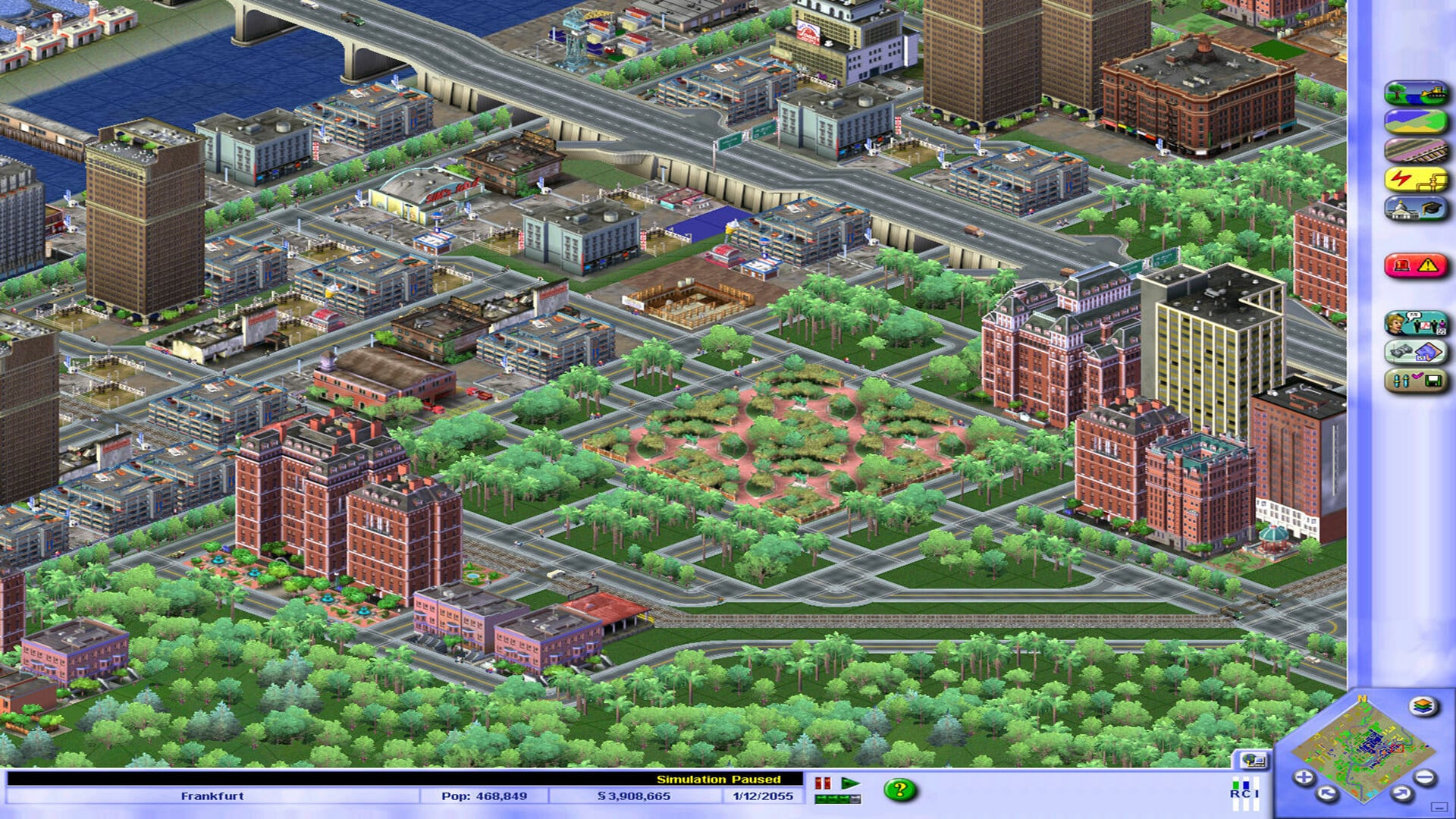
The isometric visuals hold up surprisingly well. Cities feel alive, especially once traffic starts flowing and trains, boats, and planes move across the landscape.
The music is calm and atmospheric, perfectly matching the game’s pace. The advisors’ voiceovers are iconic and add to the charm many associate with the SimCity series.
Challenges and difficulty
SimCity 3000 isn’t an easy game if you’re aiming for long-term success. Budgets can be tight, and early mistakes can have serious consequences later.
You can enable natural disasters like earthquakes, floods, and other events that really test whether your city is well designed. It’s challenging without feeling unfair — and that’s exactly why it still holds up.
Top 5 tips for SimCity 3000
Tip 1: Start small
Don’t overzone at the beginning. A compact city is easier to manage and cheaper to maintain.
Tip 2: Listen to your advisors
Your advisors often point to real issues, especially in the early game.
Tip 3: Adjust taxes carefully
Small changes to taxes can make a big difference without upsetting residents.
Tip 4: Prioritize transportation early. Public transit significantly reduces traffic problems later in the game.
Tip 5: Save often
A bad decision can be costly — especially if your economy collapses.