 Martin Jørgensen
Panzer Command: Ostfront is a tactical wargame for players who’d rather think than click fast
Panzer Command: Ostfront is a turn-based tactical wargame for Windows that puts you in command of German or Soviet units on the Eastern Front in World War II.
Forget twitch reflexes, base building, and Hollywood-scale explosions. This one targets history-minded strategy fans who want to consider terrain, unit placement, lines of sight, armor thickness, and the small decisions that can swing a battle. We tested Panzer Command: Ostfront on a modern Windows 11 PC, and while the game clearly shows its age, there’s still something deeply satisfying about watching a well-positioned tank survive an otherwise hopeless push.
That said, let’s be honest: Panzer Command: Ostfront isn’t for everyone. The visuals feel dated, the pace is slow, and the interface demands patience. In return, you get a serious tactical wargame where the Eastern Front isn’t just a backdrop, but the basis for demanding, detail-rich engagements.
Tactical warfare on the Eastern Front
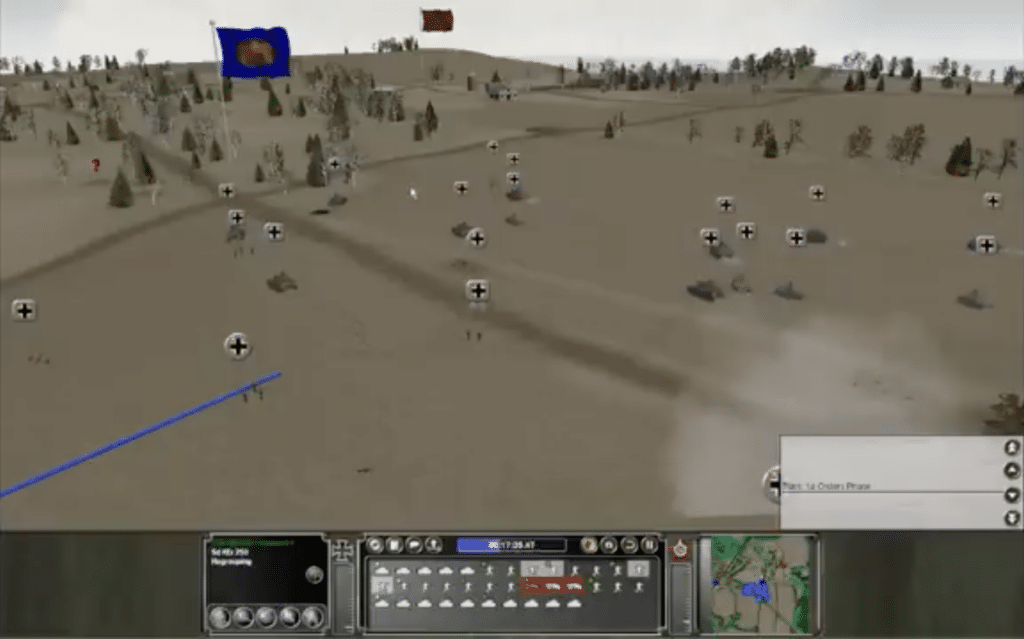
In Panzer Command: Ostfront you command company-level units, and you can play as either the Soviet Union or Germany. The Eastern Front is a natural theme for this kind of game because the fighting often hinged on a mix of terrain, distance, armor, artillery, and brutal miscalculations.
The game uses a turn-based system where you plan your orders and then the action resolves. That gives combat a more realistic, nerve‑wracking rhythm than classic real-time strategy. You can’t just react instantly when something goes wrong. If you’ve pushed a unit across open ground without cover, you’ll often just have to watch the consequences unfold.
This is exactly where Panzer Command: Ostfront works best. When you slowly realize the enemy has better visibility than expected, or your otherwise powerful tank is sitting at a bad angle, the game suddenly becomes more intense than it first appears.
A game for historical wargame fans
Panzer Command: Ostfront is best suited to players who already enjoy serious war strategy titles. If you play Combat Mission, Close Combat, Graviteam Tactics, or older Matrix Games releases, you’ll quickly understand what this game is going for.
The focus is on realistic units, tactical formations, terrain, and historical scenarios. That slows the pace, but it’s more rewarding when a plan actually works. A battle can feel a bit heavy at first, but once you start reading the terrain and thinking a few turns ahead, the game opens up.
During our tests it was especially clear that overly aggressive play is punished. It’s tempting to push your forces quickly, but Panzer Command: Ostfront rewards patience. A tank that stays in cover and waits for the right shot is often more valuable than three units charging forward without situational awareness.
Graphics and audio show the game's age
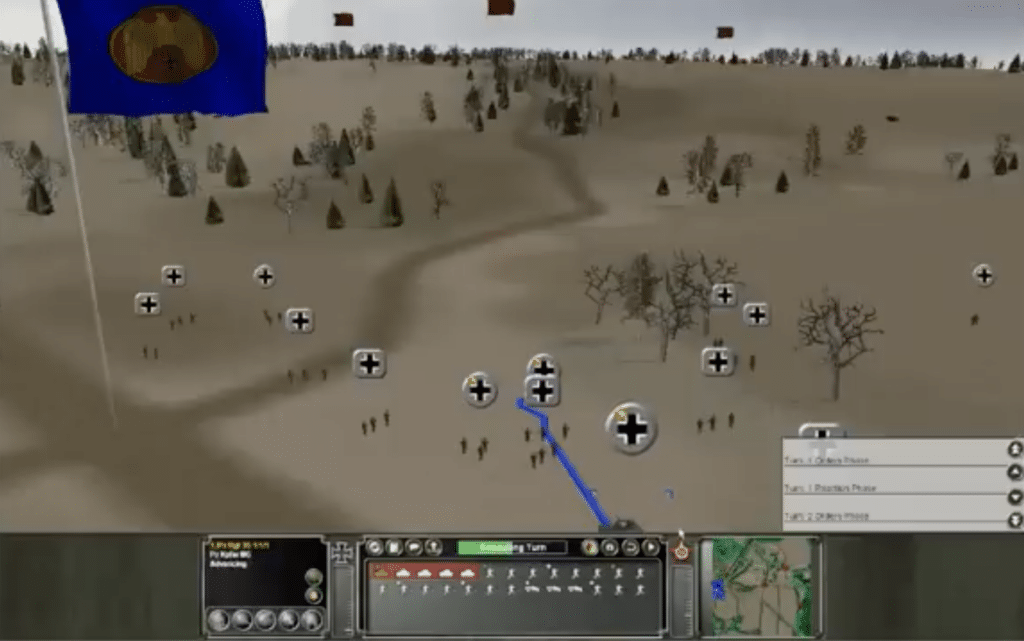
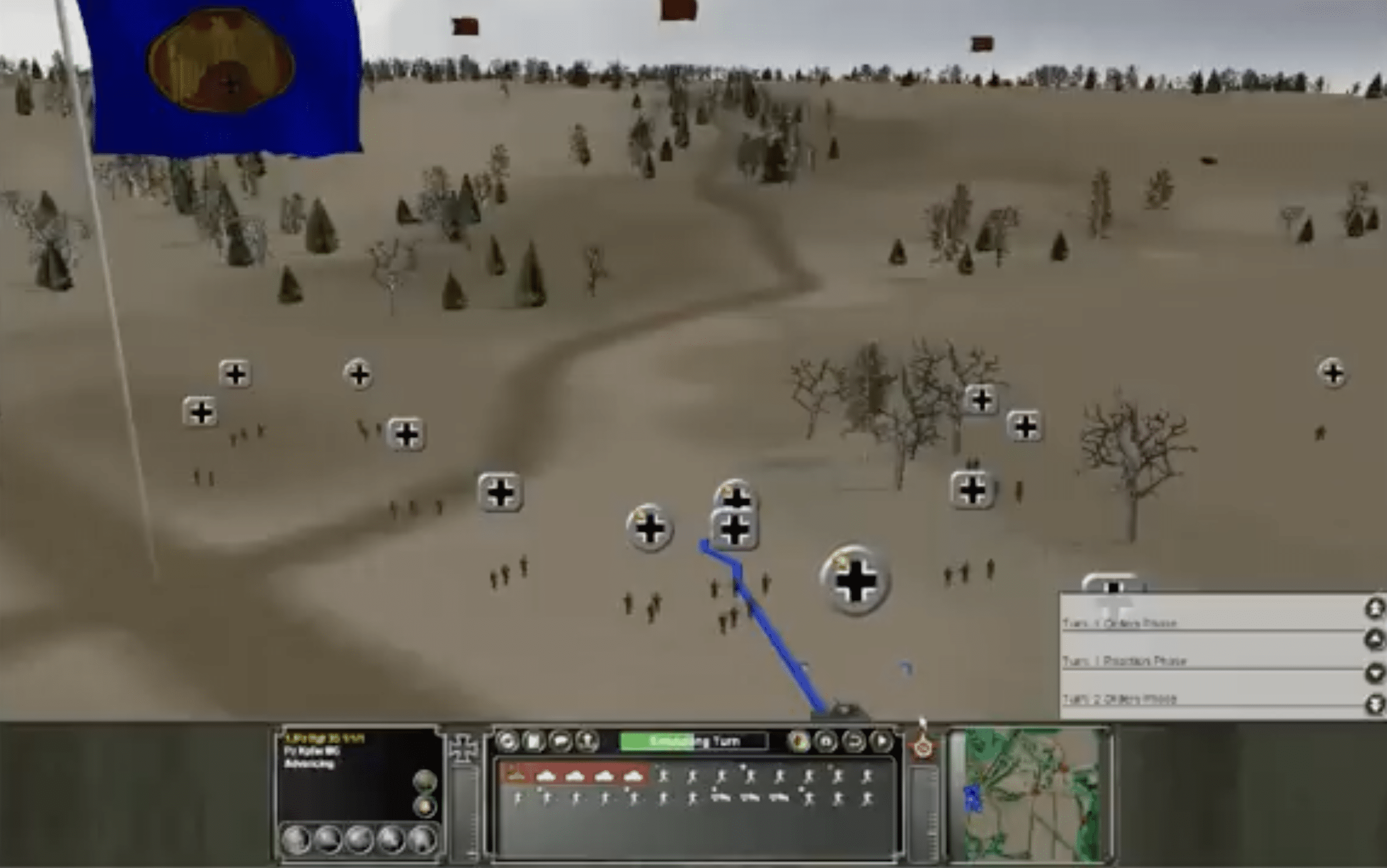
Panzer Command: Ostfront isn’t a game you download to be impressed by graphics. The 3D engine is functional but old-fashioned, and animations can feel stiff compared to modern strategy games. That doesn’t mean the presentation has no value.
Maps are readable, units are easy enough to identify, and terrain plays a real role in each fight. That matters here more than flashy effects. Once you accept the visual ceiling, it’s clear the graphics are built primarily for tactical clarity.
The audio does its job, but not much more. Gunfire, engine sounds, and battle effects support the atmosphere, but this isn’t a game where the soundtrack elevates the experience. Here it’s the decisions—not the presentation—that carry the game.
The interface requires patience
The biggest barrier in Panzer Command: Ostfront is the user interface. It isn’t outright unusable, but it feels dated, and new players should expect a learning curve. Many modern games constantly explain themselves; here you’ll need to be willing to learn the systems.
That can actually be part of the charm if you enjoy classic PC wargames. But if you expect quick onboarding, clear tutorials, and modern menu design, Panzer Command: Ostfront will feel heavy.
We found the game becomes much easier to handle after the first couple of scenarios. Once you grasp the rhythm of issuing orders, movement, and combat resolution, the experience feels more natural.
Download Panzer Command: Ostfront
You can download Panzer Command: Ostfront from the official Matrix Games product page, where it remains available as a digital download with the latest update.
Top 5 tips for Panzer Command: Ostfront
Panzer Command: Ostfront is far more enjoyable when you approach it as a tactical wargame, not a fast-paced action RTS. Here are five tips to make your first battles easier to manage.
Tactics1Use terrain before you use armor
Use terrain before you use armor
A strong tank can be knocked out quickly if it’s exposed or angled poorly. Look for hills, treelines, buildings, and natural cover before advancing. It’s often better to wait one turn too many than one too few.
Beginner2Start with smaller scenarios
Start with smaller scenarios
Big battles are tempting, but the systems are easier to learn in smaller fights. Start with fewer units so you can understand why a plan succeeds or fails.
Combat3Avoid pushing all units forward at once
Avoid pushing all units forward at once
Sending your entire force forward can feel efficient, but it makes you vulnerable to hidden enemies. Let some units cover while others move. You’ll keep control and take fewer needless losses.
Eastern Front4Think in lines of sight and angles
Think in lines of sight and angles
Panzer Command: Ostfront is all about who sees who first. A good position with a clear line of sight can decide the fight, while a bad angle can make even a strong unit vulnerable.
Patience5Accept the slow pace
Accept the slow pace
The game works best when you give it time. Use pauses to assess terrain, likely enemy positions, and your next move. If you rush, you’ll lose situational awareness.
Old-school but still an engaging tactical wargame
Panzer Command: Ostfront isn’t a modern strategy title with flashy presentation. It’s a specialized wargame for players who want to dive into tactical battles on the Eastern Front and accept an older interface in exchange for depth.
This will especially appeal if you’re after a slower, more serious alternative to action-heavy WWII games. If you’d rather have slick graphics, quick-fire battles, and a hand-holding tutorial, there are better options.