
 Martin Jørgensen
The strategy classic that invented “just one more turn”
Sid Meier’s Civilization (1991) is the original classic of turn-based strategy and 4X: you start with a small tribe and build an empire that can last from antiquity to the modern age. It’s deliberate, smart, and surprisingly addictive—especially because every decision feels important, even when you’re “just” placing one more city.
During our test on a standard Windows 11 PC, the pacing and clarity stood out in a great way. You can play at your own speed without stress, and while the interface is obviously old-school, the idea behind the game is still razor-sharp.
Gameplay and features in Civilization (1991)
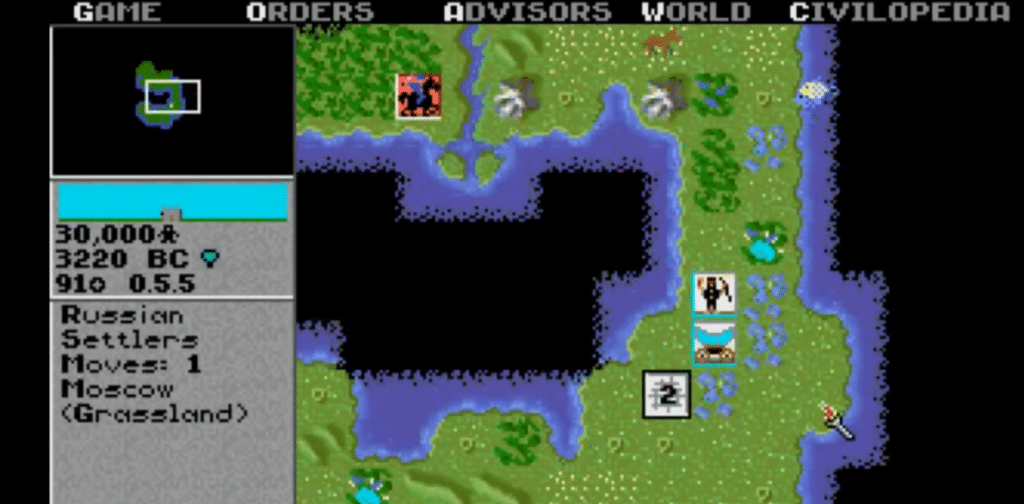
Civilization is about constantly balancing four things:
✅ Expansion: new cities, more land, more resources
✅ Development: technology, improvements, economy, and production
✅ Diplomacy: deals, trade, ceasefires, and (inevitable) conflicts
✅ Military: defense, offense, and deterrence
The best thing about the first Civilization is that the game doesn’t force you down a single path. You can play aggressively and conquer neighbors early—or play patiently, build up your economy and science, and let others fight while you quietly become dangerous.
What still makes the game fun in 2026
There are several reasons Civilization 1 still hooks players:
✅ Clear progression: from primitive units to advanced technology
✅ The classic “one more turn” feeling: you never stop at a good time
✅ Surprising strategic depth: even small choices have big consequences
✅ A clean, simple 4X formula: no bloat—just core gameplay
And yes—the graphics are ancient. But if you can live with that, you get a game that still feels like strategy in its purest form.
The history behind Civilization and why it became a landmark
Civilization launched in 1991 and was groundbreaking for the strategy genre because it turned historical progress into a game system in its own right: technology, exploration, city-building, and diplomacy as equal ways to dominate the world map. Today it’s considered one of the most important 4X games ever and started a series that’s still going strong.
How to play Civilization on modern Windows
The most common way today is to run the DOS version via DOSBox (emulator). It sounds more complicated than it is if you keep it simple:
✅ Install DOSBox
✅ Put the game files in a folder, e.g., C:\DOSGAMES\CIV
✅ “Mount” the folder in DOSBox and launch the game from there
DOSBox’s own manual explains the mount concept clearly, and that’s exactly what makes it easy to run classics on Windows 10/11.
If you just want to try it quickly without tinkering, there are also legal in-browser options at the Internet Archive, where Civilization is available as an emulated classic.
Civilization vs. Civilization VI and VII: what are you getting here?
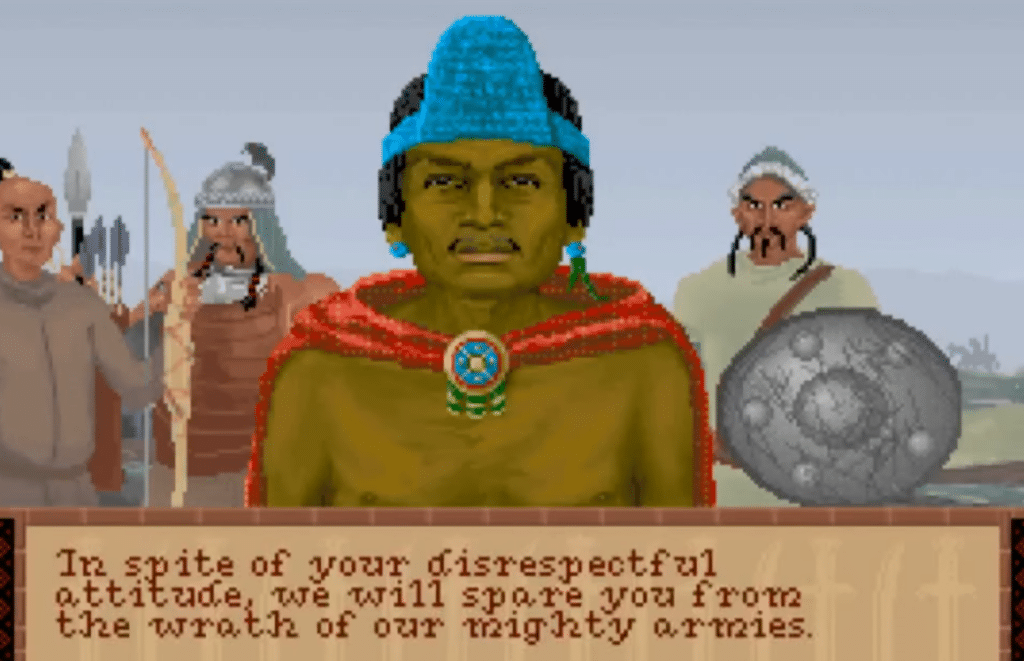
If you’re coming from Civilization VI/VII, think of Civilization 1 as:
✅ Faster to learn (fewer systems)
✅ A cleaner strategic overview
✅ Less micromanagement
❌ Far less comfort and a modern UI
❌ Not the same diplomacy/city depth as newer games
It’s not a replacement for the new entries—it’s the historical origin story, still fun if you like turn-based strategy.
Top 5 tips for Sid Meier’s Civilization (1991)
Top 5 Tips for Sid Meier’s Civilization (1991)
Short, practical tips that make it easier to get started—especially if you play Civilization 1 via DOSBox on Windows 11.
Prioritize early food and production—not “pretty” city layouts
The first 30–60 turns are about getting cities rolling. Choose improvements and placements that create steady growth so you can found new cities without crashing your economy.
Chase tech that unlocks options, not just stronger units
Some techs feel “boring” but actually accelerate your entire empire. In our testing, picking technologies that boost economy and expansion early created better flow.
Use diplomacy as a “pause button” while you build up
You don’t have to win through diplomacy, but you can use it to buy time. Deals and trade can be the difference between surviving midgame or getting squeezed in a two-front war.
Handle one neighbor at a time—and stop before you overextend
Civilization 1 rewards short, focused campaigns. Take a strategic area, secure peace, and stabilize. The classic mistake is conquering too fast and ending up with an expensive, unstable empire.
Make DOSBox simple: one fixed folder and the same mount every time
Create one folder for your classics and mount it as the C drive in DOSBox. Then you won’t have to reinvent the setup every time you want to play. DOSBox’s manual explains the mount command clearly.