 Martin Jørgensen
Wordle remains one of the best word games online
Wordle is the original daily word game where you guess a five-letter word in six tries or fewer. We tested Wordle in the browser and also looked at how it works as part of the NYT Games ecosystem, and it’s still impressive how much game is packed into such a simple idea. There’s no noise, no unnecessary systems, and no heavy installations. You just get one daily challenge that’s quick to jump into and hard to put down. Wordle is now the official version at The New York Times, and in the NYT Games app it’s still described as the official five-letter, six-guess Wordle.
How Wordle works in practice
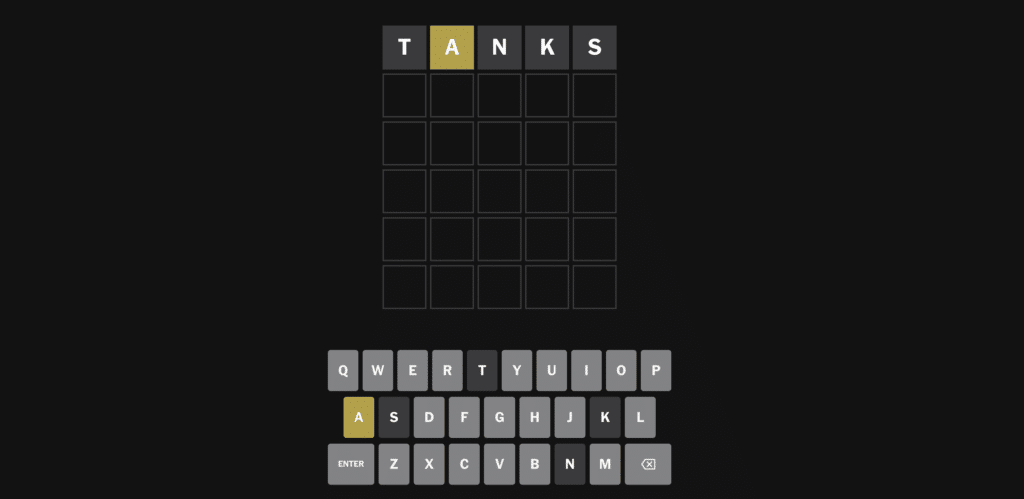
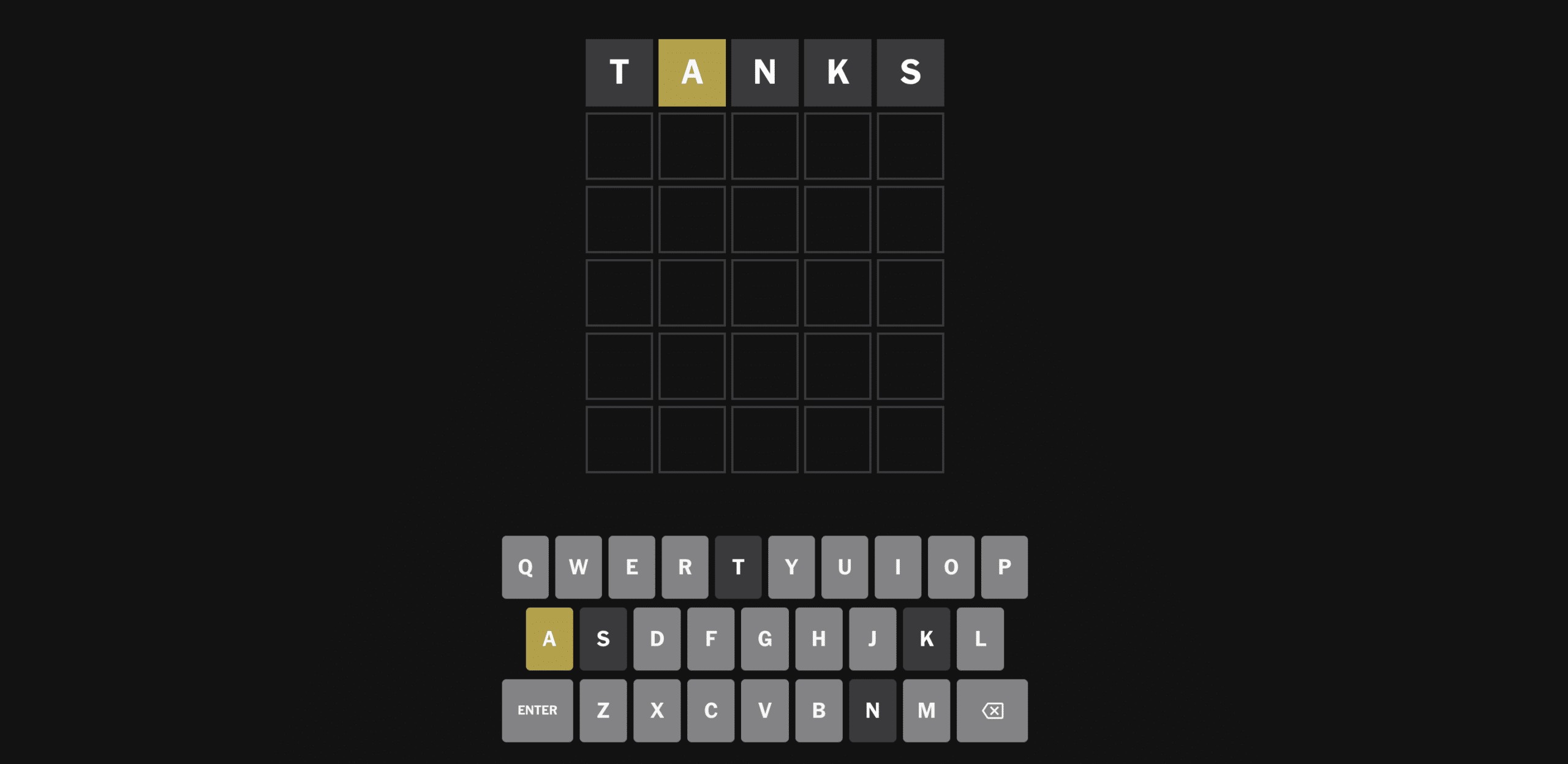
The structure is almost laughably simple, and that’s exactly why it works. You enter a five-letter word, and the tiles then show how close you are. Green means the right letter in the right spot. Yellow means the right letter in the wrong spot. Gray means the letter isn’t in the answer. NYT Games describes Wordle as a word-guessing game where you find the word in six tries or fewer, and that’s the core of the experience.
What stood out most during testing was the rhythm. Wordle is quick to open, quick to grasp, and quick to play—but not necessarily quick to master. It might seem like a small time-killer, but after a few rounds you begin to think more strategically about starting words, vowels, letter placement, and common English patterns. That’s where the game really sinks its teeth in.
Why Wordle still feels fresh
The clever thing about Wordle is that it doesn’t try to keep you hooked for hours. It gives you one daily challenge, and that’s it. That limitation is actually one of its greatest strengths. Many mobile and browser games try to hold you with constant rewards, events, and notifications. Wordle does the opposite, and it feels much cleaner as a result.
Wordle is now integrated into the NYT Games app alongside other titles like Connections, Spelling Bee, and Mini Crossword. The app also highlights features such as Wordle Bot, stats, leaderboards, and archive access for subscribers, which rounds out the experience for anyone who wants more than just the daily puzzle.
We especially like that balance. You can play Wordle in two minutes and be done. Or you can nerd out afterward, review your stats, and compare with others if that’s your thing. It works for casual players and for those who care a lot about daily streaks.
User experience on mobile and desktop
Wordle works well as a browser game because the entire experience is built around simplicity. There’s no heavy interface, and you can start right away. Wordle is also part of the NYT Games app for iPhone, iPad, and Android, where it sits alongside the other daily puzzles. The App Store and Google Play list the app as free to download, and both highlight Wordle as a core part of the package.
We mainly used Wordle as a quick daily break, and that’s where it fits best. On a computer, it’s a great little morning routine. On mobile, it works well on the train, during a lunch break, or while the coffee brews. It may sound simple, but this is exactly the kind of game that wins by being so accessible.
A few downsides
As much as we like Wordle, there are limitations. First and foremost, it’s still a very narrow game. If one word a day doesn’t grab you, there isn’t much more to find. There also isn’t much variation in the core format. That’s what makes the game elegant—but also a bit vulnerable over the long run.
Why you keep coming back to Wordle
Wordle is one of the best examples that a strong concept doesn’t need to be big or technically advanced to work. Quite the opposite. The game stays sharp because it knows exactly what it wants to be. One word. Six guesses. A new challenge every day.
Top 5 Wordle tips
We consistently had the best results with starting words that test multiple common vowels and frequent consonants at once. In Wordle, your first guesses are often less about hitting the solution immediately and more about gathering useful information so the rest of the round is far more controlled.
A yellow letter is helpful, but it can also lead you astray if you lock yourself into one solution too quickly. In our tests, it worked better to consider several possible patterns before forcing the yellow letter into a specific spot.
Many players focus on what looks promising, but the eliminated letters are just as valuable. Actively tracking which letters are out makes it much easier to craft a sharper next guess instead of simply trial-and-error.
Time and again, it pays to play broadly at the start instead of overanalyzing too early. Once your first two guesses give you a solid data set, it’s much easier to go from a rough idea to the real solution without wasting a crucial try.